





Zanzibar Activities DEALS
Picture yourself stepping onto an island where time moves slower, the air carries hints of cloves and cinnamon, and turquoise waters stretch endlessly toward the horizon. This archipelago off East Africa’s coast captivates travelers seeking authentic experiences far from mass tourism. Zanzibar offers a unique blend of pristine beaches, centuries-old trading heritage, and vibrant marine ecosystems that few destinations can match. From its UNESCO-recognized Stone Town with labyrinthine alleyways to the endangered red colobus monkeys inhabiting dense forests, every corner reveals something extraordinary. Whether you’re drawn to world-class diving sites, legendary spice plantations, or secluded luxury villas nestled among palm trees, this tropical paradise delivers experiences that resonate long after departure. Let’s explore what makes this Indian Ocean gem truly unforgettable.
Paradise beaches with turquoise waters and powdery white sand
The archipelago’s coastline presents some of the most stunning beaches found anywhere across the Indian Ocean. Nungwi Beach earns its place among TripAdvisor’s Top 25 Beaches in the World, showcasing pristine white sand so fine it feels like silk beneath your feet. The crystal clear turquoise waters here invite endless swimming, while palm-fringed shores provide natural shade during midday sun. Gentle waves, subdued by protective coral reefs, create perfect conditions for families and casual swimmers alike.
Kendwa Beach stands out for its minimal tidal changes, allowing swimming throughout the day without worrying about disappearing shorelines. This unique characteristic makes it ideal for those who prefer consistent water access. Meanwhile, Paje Beach has become a kitesurfing paradise, attracting wind sports enthusiasts from around the globe. The steady Indian Ocean breezes and shallow lagoon create perfect learning conditions for beginners while challenging experienced riders.

Bwejuu Beach offers something different : tranquil spaces for contemplation and relaxation. Far from crowded tourist areas, this stretch of coastline feels untouched and serene. Matemwe Beach claims the title of the island’s longest beach, stretching along the eastern shore with spectacular sunrise views that paint the sky in shades of pink and orange. Michamvi Beach features a remote coral lagoon setting, where shallow pools teem with colorful fish during low tide.
Kizimkazi Beach earned fame for dolphin encounters, where these playful marine mammals frequently appear in the early morning hours. Across all these beaches, warm tropical sunshine bathes visitors year-round, while spectacular sunset experiences provide daily reminders of nature’s artistry. The protected coral reefs not only calm the waves but also support diverse marine life visible from shore.
Stone Town UNESCO World Heritage Site and historical architecture
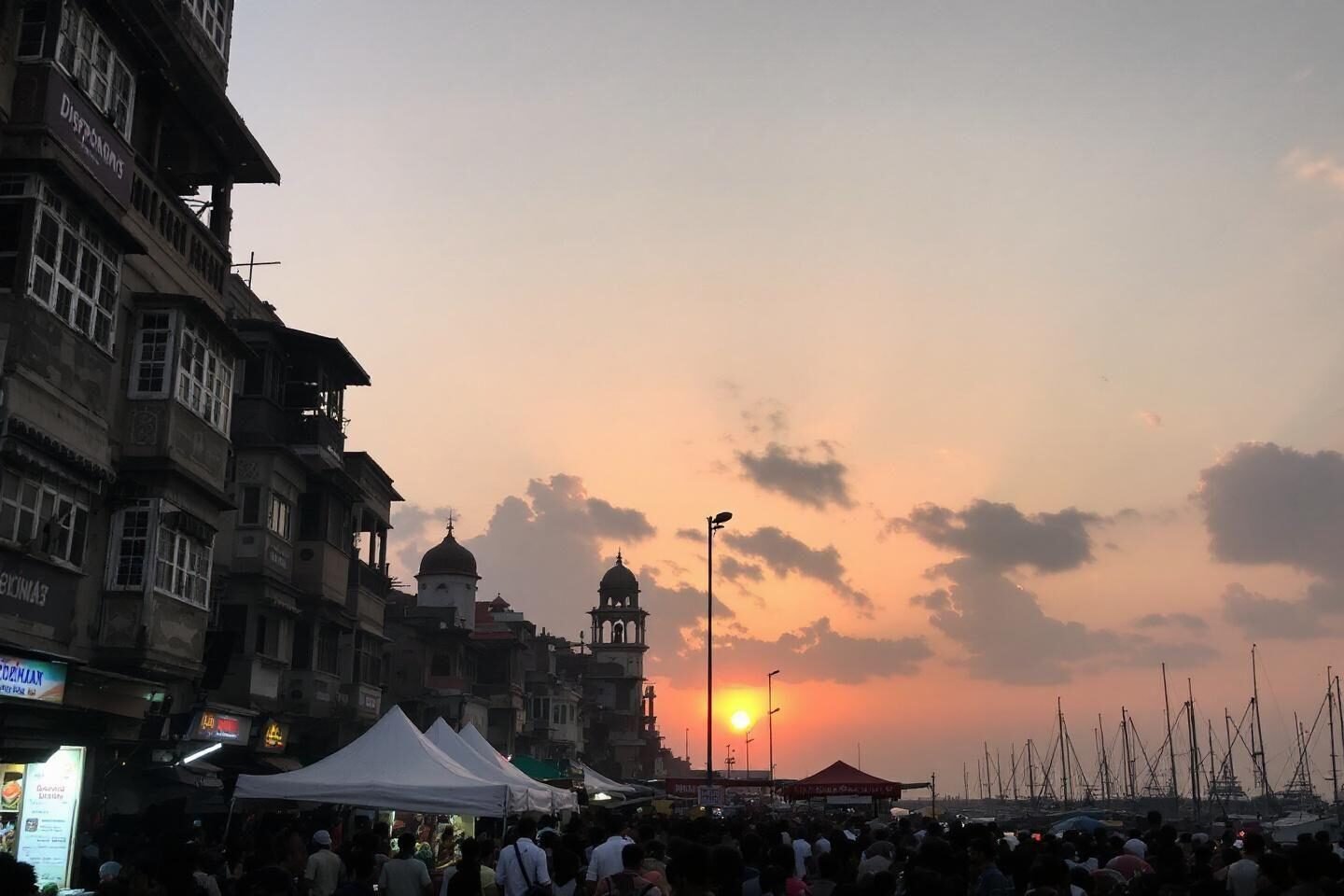
Stone Town holds UNESCO World Heritage status for good reason. This ancient capital showcases narrow labyrinth alleyways that twist and turn through centuries of history. Walking these passages feels like stepping backward through time, with every corner revealing architectural treasures from the 19th century. The unique fusion of Arab, Persian, Indian, and European influences creates a visual tapestry found nowhere else.
| Landmark | Historical significance | Architectural features |
|---|---|---|
| House of Wonders | Former ceremonial palace built 1883 | First building with electricity, distinctive tower |
| Old Fort | Built by Omanis around 1700 | Defensive walls, cultural venue today |
| Anglican Christ Church Cathedral | Built 1873-1880 on former slave market | Gothic Revival style, memorial crucifix |
| Palace Museum | Residence of Zanzibar sultans | Ornate interiors, historical artifacts |
The intricate carved doors throughout Stone Town represent perhaps its most recognizable feature. These massive wooden entrances display elaborate patterns, brass studs, and detailed craftsmanship reflecting centuries of Swahili culture. Latticed windows provide privacy while allowing breezes to flow through coral limestone houses. Omani palaces, mosques, churches, and religious structures coexist harmoniously, demonstrating the multi-cultural tapestry woven through generations.
The Old Dispensary stands as another architectural gem, with intricate balconies overlooking the harbor. Forodhani Gardens provide waterfront gathering spaces where locals and visitors mingle during evening food markets. The Roman Catholic Cathedral adds yet another layer to the diverse religious landscape. What makes this architecture truly remarkable is that it represents indigenous development rather than imported styles, evolving naturally from local vernacular traditions using coral, lime, and timber materials.
The Spice Island legacy and aromatic farm tours
Zanzibar earned its reputation as the “Spice Island” through centuries of cultivation and trade. During the 19th century, when Arabs established large-scale plantations, the archipelago became the world’s leading clove producer and largest exporter. Ships carried these aromatic treasures across the Indian Ocean to markets in Arabia, India, and beyond. Today, while Indonesia dominates global production, Zanzibar maintains its spice farming traditions and ranks third worldwide.
- Common spices grown : clove, nutmeg, cardamom, turmeric, cinnamon, chili, black pepper, vanilla
- Additional cultivated varieties : lemongrass, cumin, garlic, ginger, coriander, allspice, tamarind
- Traditional uses : culinary flavoring, medicinal treatments, cosmetic applications, natural dyes
- Economic importance : export revenue, local employment, cultural heritage preservation
Spice farm tours offer immersive sensory experiences that engage all your senses. Visitors see spices growing on trees and shrubs rather than just as dried products in jars. Guides demonstrate harvesting processes, crushing fresh cloves to release their intense aroma or scraping cinnamon bark from tree trunks. Learning about medicinal benefits reveals how traditional knowledge continues influencing modern wellness practices. The culinary uses and applications extend beyond cooking into cosmetics and natural coloring.
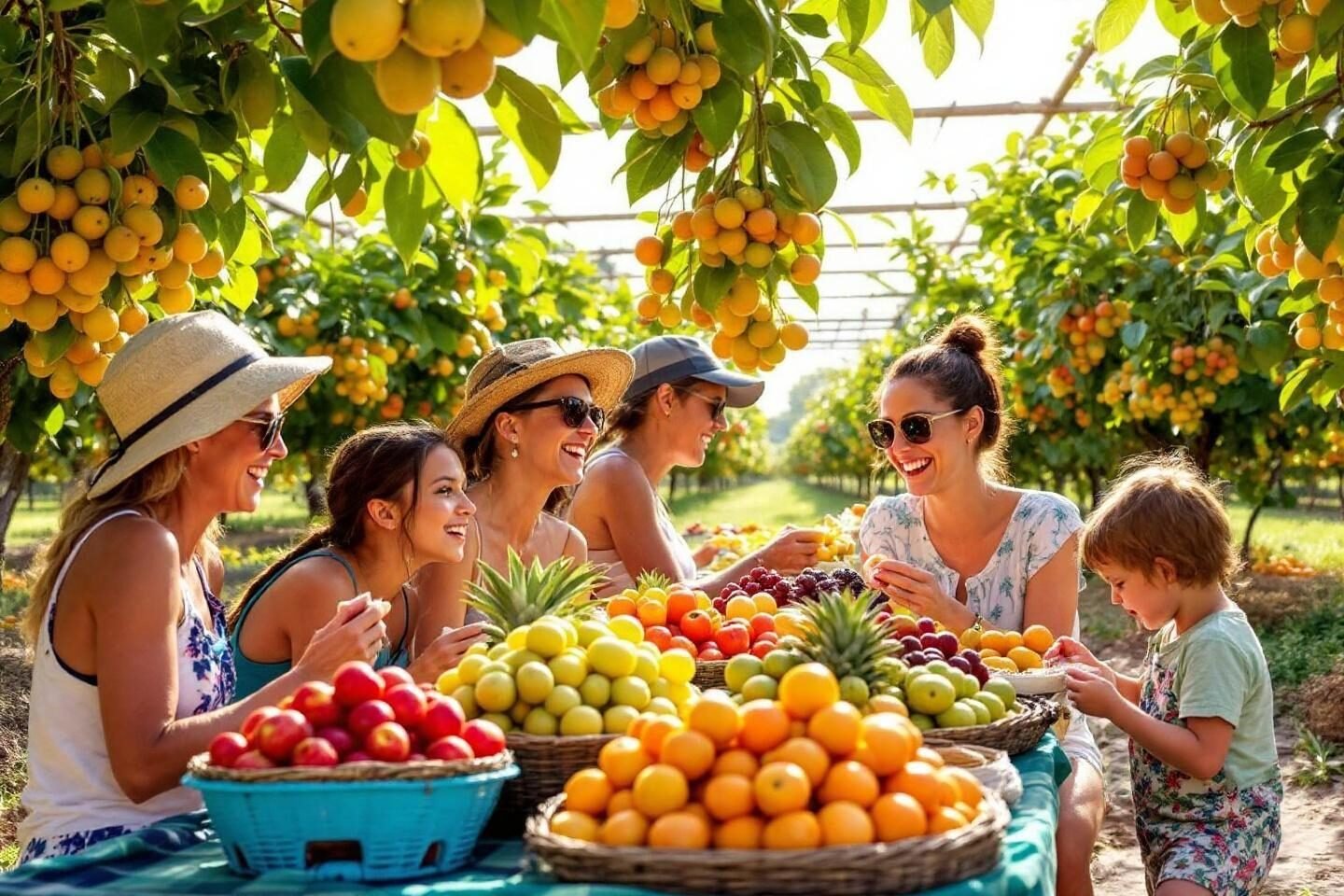
Seasonal tropical fruits grow abundantly alongside spices. Jackfruit hangs heavy from branches, sometimes reaching enormous sizes. Custard fruit, orange, star fruit, and banana trees dot the landscape. Pineapple plants spread low across the ground, while tangerine, passion fruit, and mango trees provide shade. Avocado pear, papaya, and grapefruit round out the incredible variety of fresh produce. Several farms offer tasting opportunities where visitors sample fruits picked minutes earlier. Zanj Spice Limited operates as a major organic spice exporter, maintaining sustainable practices appreciated by environmentally-conscious consumers.
World-class snorkeling and scuba diving in coral reefs
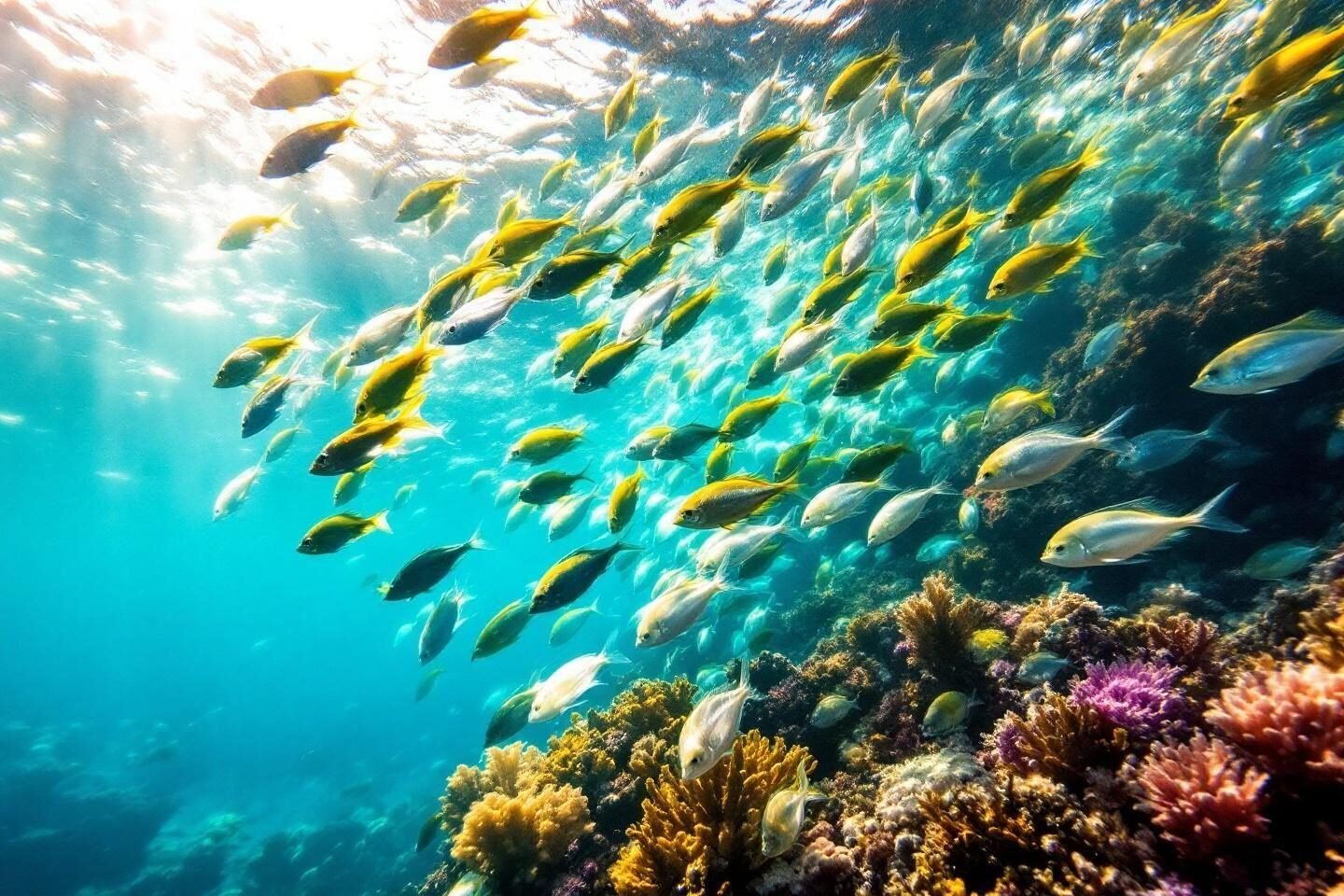
The archipelago’s rich marine biodiversity draws underwater enthusiasts from across the globe. Fringing coral reefs surround much of the coastline, creating both shallow snorkeling sites and deeper diving locations. Pristine underwater environments remain remarkably intact compared to many other tropical destinations. The warm Indian Ocean currents support living coral formations displaying multiple colors : brilliant purples, electric blues, vibrant yellows, and deep reds.
Mnemba Atoll near Matemwe stands as a superlative dive site on the northeastern zone. This small island surrounded by protected waters hosts incredible marine diversity. Chumbe Marine Park allows snorkeling with protected low-lying reefs accessible even for beginners. The shallow depths make observing underwater life easy without extensive training or equipment.
- Reef fish species : parrotfish, triggerfish, angelfish, butterflyfish, sweetlips, moorish idols
- Invertebrates commonly seen : octopus, nudibranchs, starfish, various coral species
- Larger marine life : green turtles, moray eels, lionfish, trumpet fish
- Pelagic visitors : dolphins, humpback whales, whale sharks during migratory season
Glassfish form shimmering schools that move as one organism, creating mesmerizing underwater displays. The crystal clear waters provide excellent visibility, often extending beyond thirty meters on calm days. This clarity allows photographers to capture stunning images without specialized equipment. Conservation efforts and protected marine reserves ensure pristine sites remain undiscovered and preserved for future generations. Several areas designated as marine sanctuaries prohibit fishing and anchor damage, allowing ecosystems to flourish naturally. Tag and release programs for larger species demonstrate commitment to sustainable tourism practices that balance visitor experiences with environmental protection.
Luxury boutique beach resorts and exclusive accommodations
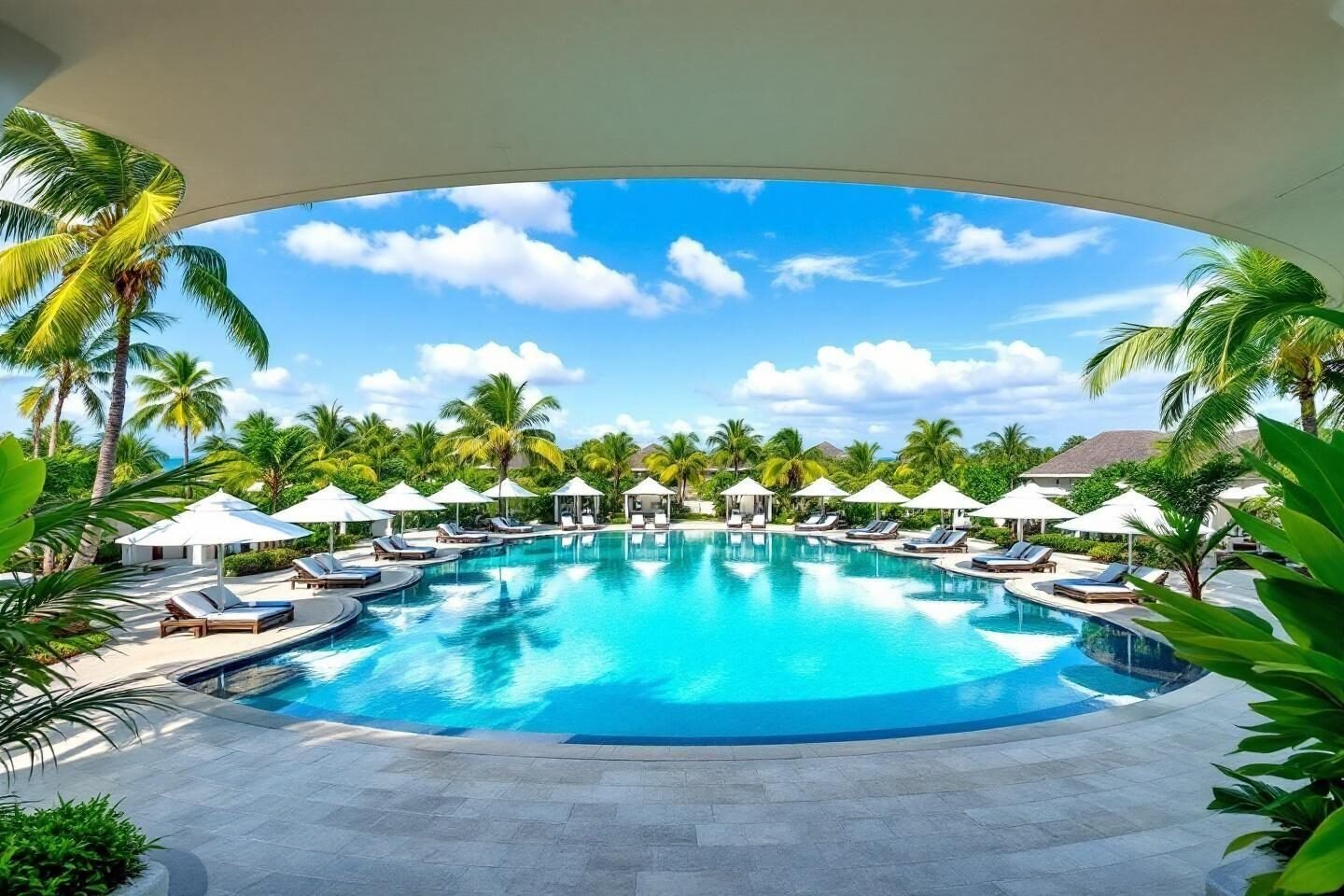
The archipelago offers distinctive luxury boutique accommodations that emphasize exclusivity and personalized service. Mnemba Island Lodge accommodates only twenty guests in ten eco-friendly beachfront bandas, ensuring intimate experiences. These simple yet elegant structures blend seamlessly with natural surroundings, using local materials and traditional architectural elements. Miniature suni antelopes roam freely across the island, creating magical encounters steps from your villa.
Baraza Resort and Spa features thirty villas with private plunge pools, allowing guests to enjoy cooling dips without leaving their accommodations. The Residence Zanzibar expands this concept with sixty-six bungalows, each featuring private pools and direct beach access. Matemwe Retreat perches on cliffs overlooking the Indian Ocean, providing dramatic views and ultimate privacy. The Palms restricts capacity to just six villas, creating an almost residential atmosphere.
| Resort name | Guest capacity | Distinctive features |
|---|---|---|
| Mnemba Island Lodge | 20 guests maximum | Eco-friendly bandas, private island setting |
| Baraza Resort & Spa | 60 guests in 30 villas | Private plunge pools, Omani-inspired design |
| The Residence Zanzibar | 132 guests in 66 bungalows | Private pools, expansive beachfront |
| Zanzibar White Sand Luxury Villas | 22 guests in 11 villas | Personal pools, butler service |
Kilindi showcases unique circular pavilions painted pristine white, creating striking contrasts against tropical vegetation. Zanzibar White Sand Luxury Villas and Spa maintains eleven private villas with personal pools and dedicated butler service. Exquisitely decorated rooms feature opulent living spaces combining contemporary comfort with local artistic touches. Sumptuous farm-to-table cuisine utilizes fresh seafood, organic vegetables, and aromatic spices grown nearby. Discreet service ensures privacy while remaining attentive to every need. Elegant spas offer treatments incorporating indigenous ingredients like coconut oil, cloves, and tropical fruits. Libraries, patio gardens, and infinity pools provide additional amenities enhancing the luxury resort experience.
Deep sea fishing and marine adventures in the Indian Ocean
Deep sea fishing enthusiasts find exceptional opportunities pursuing blue marlins, sailfish, and other game fish. The Indian Ocean waters surrounding the archipelago teem with sporting species. Black marlins and striped marlins provide thrilling fights on light tackle. Yellowfin tuna reach impressive sizes, while wahoo and barracudas offer blistering runs. Trevally species patrol reefs and drop-offs, striking artificial lures with explosive power.
November through March represents the best fishing months for billfish, when marlins migrate through these tropical waters. August to November brings peak yellowfin tuna activity. Charter boats employ experienced captains who understand seasonal patterns and productive locations. Encounters with mako, tiger, hammerhead, and thresher sharks add excitement to fishing expeditions. Conservation regulations require tag and release practices for most sport fishing catches, ensuring sustainable populations for future seasons.
- Kitesurfing and windsurfing : steady winds at Paje Beach, shallow lagoon for learning
- Yachting excursions : private charters exploring remote islands and secluded anchorages
- Jet-skiing and fly-boarding : adrenaline activities at major beach resorts
- Water-skiing and wake-boarding : calm morning waters ideal for tow sports
- Parasailing adventures : aerial views of coastline and coral reefs
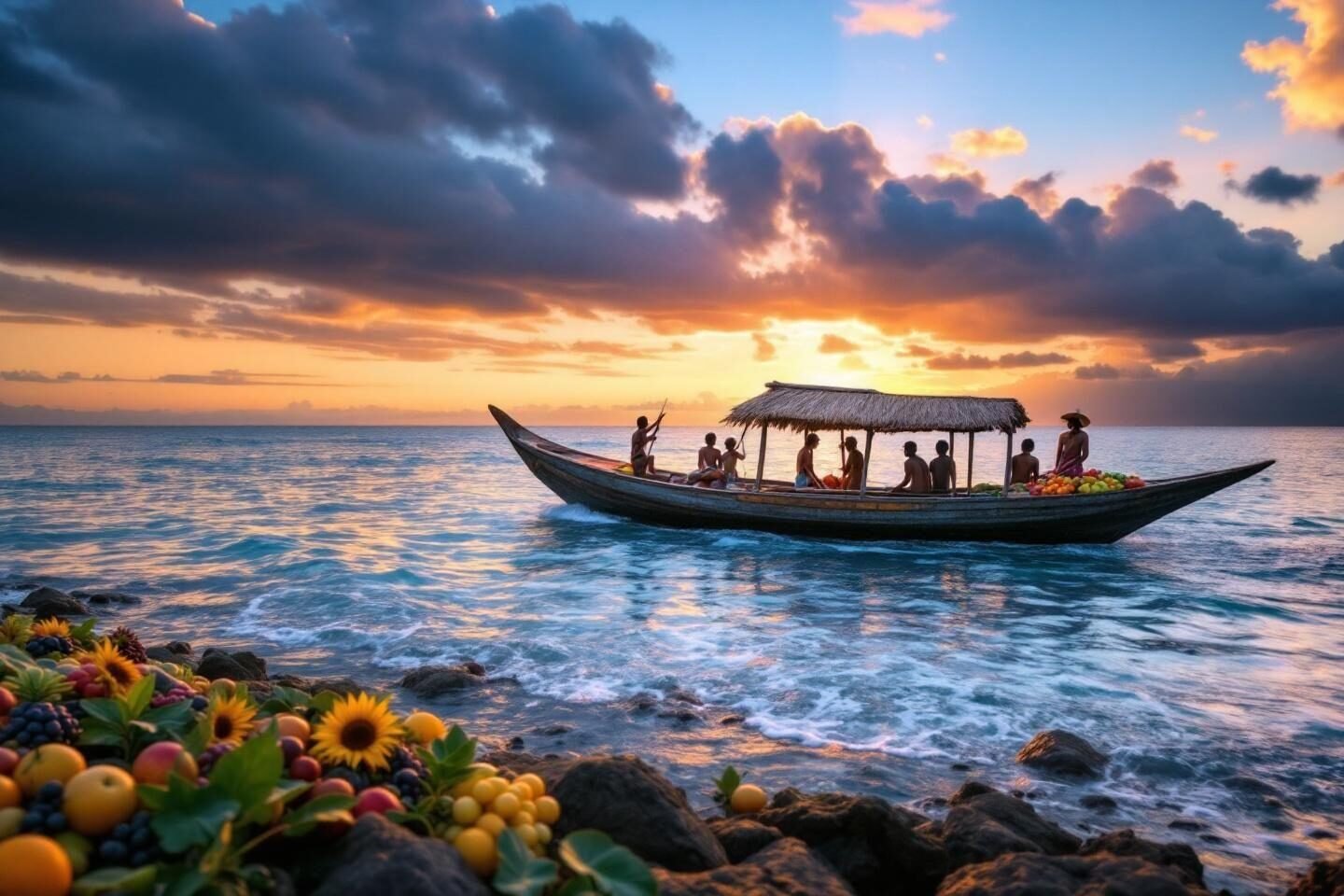
Traditional dhow sailing boat experiences provide authentic cultural connections while exploring the coastline. These wooden vessels, built using centuries-old techniques, glide silently under billowing sails. Sunset tours on Swahili dhows rank among the most romantic activities available. As the sun descends toward the horizon, the sky transforms into brilliant oranges, pinks, and purples reflecting across calm waters. Many operators serve fresh tropical fruits and local snacks while sailing. The sustainable approach to marine recreation balances visitor enjoyment with environmental responsibility, ensuring these waters remain productive and beautiful.
Jozani Forest Reserve and rare red colobus monkeys
Jozani Forest Reserve covers fifty square kilometers as part of Jozani Chwaka Bay National Park. This protected area represents the archipelago’s largest remaining indigenous forest. Dense vegetation includes hardwood trees, palm species, and lush understory plants creating a humid microclimate. Walking trails wind through the forest, allowing visitors to explore diverse ecosystems.
The reserve hosts approximately 2,500 endangered Kirk’s red colobus monkeys, found nowhere else on Earth. These primates feature distinctive reddish coats, long tails, and expressive faces. Researchers recognize them as a separate species with different coat patterns, unique calls, and specialized food habits compared to mainland relatives. Habituated to human presence, they allow close observation and photography. Troops move through the canopy, leaping between branches with remarkable agility.
Other wildlife includes Sykes’ monkeys, which appear more commonly and display different behaviors than red colobus. Chameleons blend into foliage, changing colors when disturbed. Bush babies emerge at dusk, their enormous eyes adapted for nocturnal hunting. Lizards, frogs, and numerous bird species contribute to the forest’s biodiversity. Rare Ader’s duiker, tiny forest antelopes, inhabit the densest areas. Suni antelope and miniature dik diks stand barely larger than house cats.
- Mangrove forests : extensive stands along Uzi and Chwaka Bays
- Mangrove wildlife : turtles, crabs, mollusks, coconut crabs, hermit crabs
- Wading birds : egrets, white herons hunting in shallow waters
- Endemic species : Zanzibar leopard, Zanzibar servaline genet
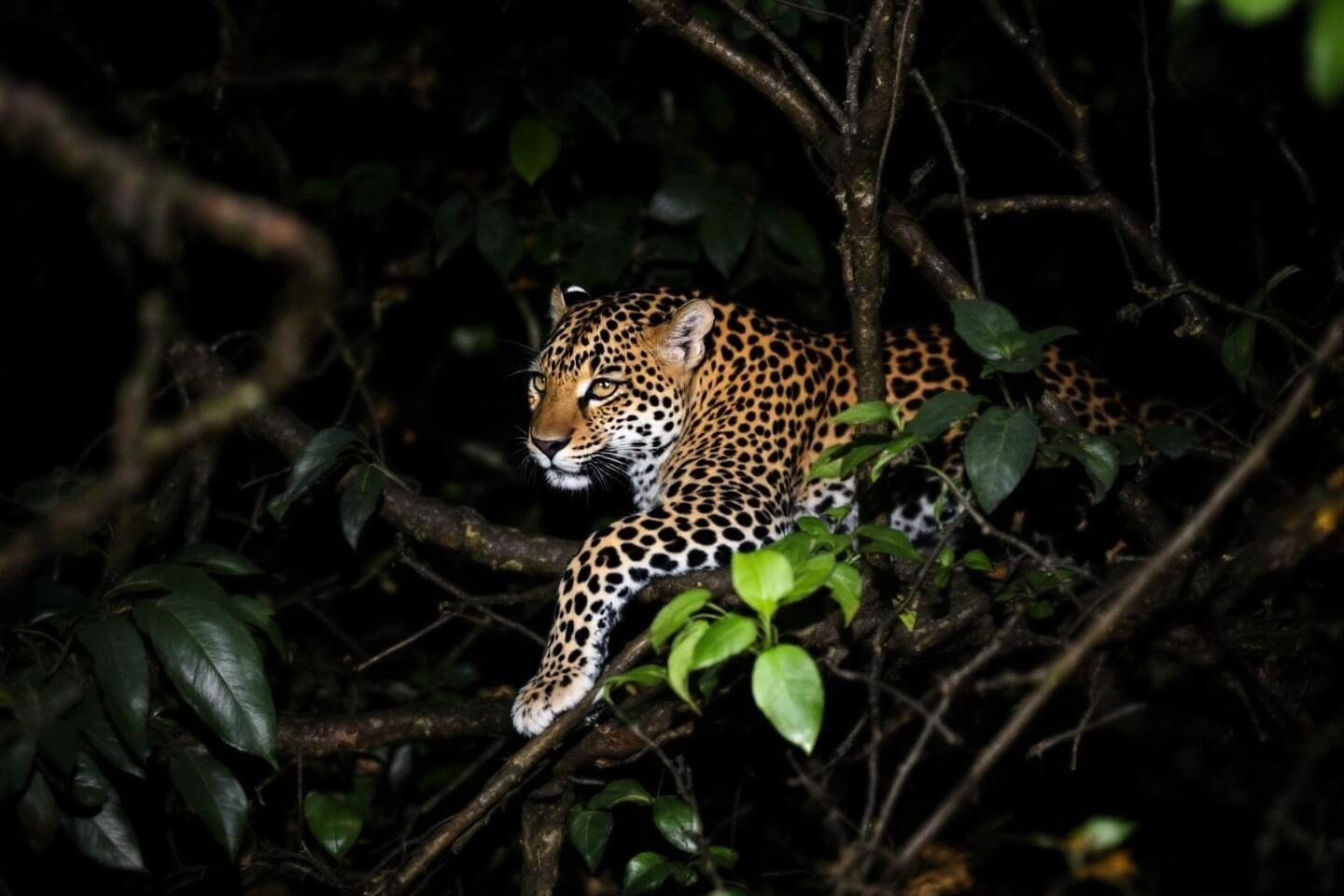
The critically endangered Zanzibar leopard was declared extinct before camera trap footage captured one in 2018. This secretive predator apparently survives in tiny numbers within remote forest patches. The Zanzibar servaline genet represents another endemic mammal rarely observed. Mangrove boardwalks extend through tidal zones, providing elevated viewing platforms over root systems. These mangrove forests along Uzi and Chwaka Bays provide essential habitats supporting marine nurseries where juvenile fish grow before migrating to offshore reefs.
Rich cultural heritage and Swahili traditions
Centuries of Arab, Indian, Persian, European, and Chinese travelers shaped the archipelago’s distinct ethnical history. This fusion created Swahili culture, a unique synthesis transcending any single influence. The population includes ethnic Swahili, Bantu Hadimu and Tumbatu descendants, Arabs, Shirazi, ethnic Persians, Somalis, and Indians. Each group contributed elements to the cultural mosaic visible today.
Strong Swahili influences permeate daily life. Kiswahili language, specifically the Kiunguja dialect, serves as the primary means of communication. This tongue developed from Bantu roots enriched with Arabic vocabulary and structures. Furniture styles, fabrics, and hand-crafted artifacts reflect multicultural origins. Small duka stores sell jewelry featuring intricate metalwork and semi-precious stones. Traditional Swahili dresses flow gracefully, while kitenge clothing displays vibrant patterns and colors.
Taarab music represents the most distinctive musical tradition, combining Arabic melodies with African rhythms and Swahili lyrics. Orchestras employ traditional instruments alongside violins and keyboards. The Zanzibar International Film Festival occurs every July, showcasing Swahili Coast arts through cinema, music, and dance performances. This event draws international visitors and highlights East African artistic expressions.
| Cultural element | Primary influences | Modern expression |
|---|---|---|
| Cuisine | Arabian, Persian, Indian, African | Spiced seafood, coconut-based dishes, fresh tropical fruits |
| Architecture | Omani, Indian, European | Carved doors, coral stone houses, latticed windows |
| Music | Arabic, African, Indian | Taarab orchestras, traditional dance performances |
| Language | Bantu, Arabic | Kiswahili with regional dialect variations |
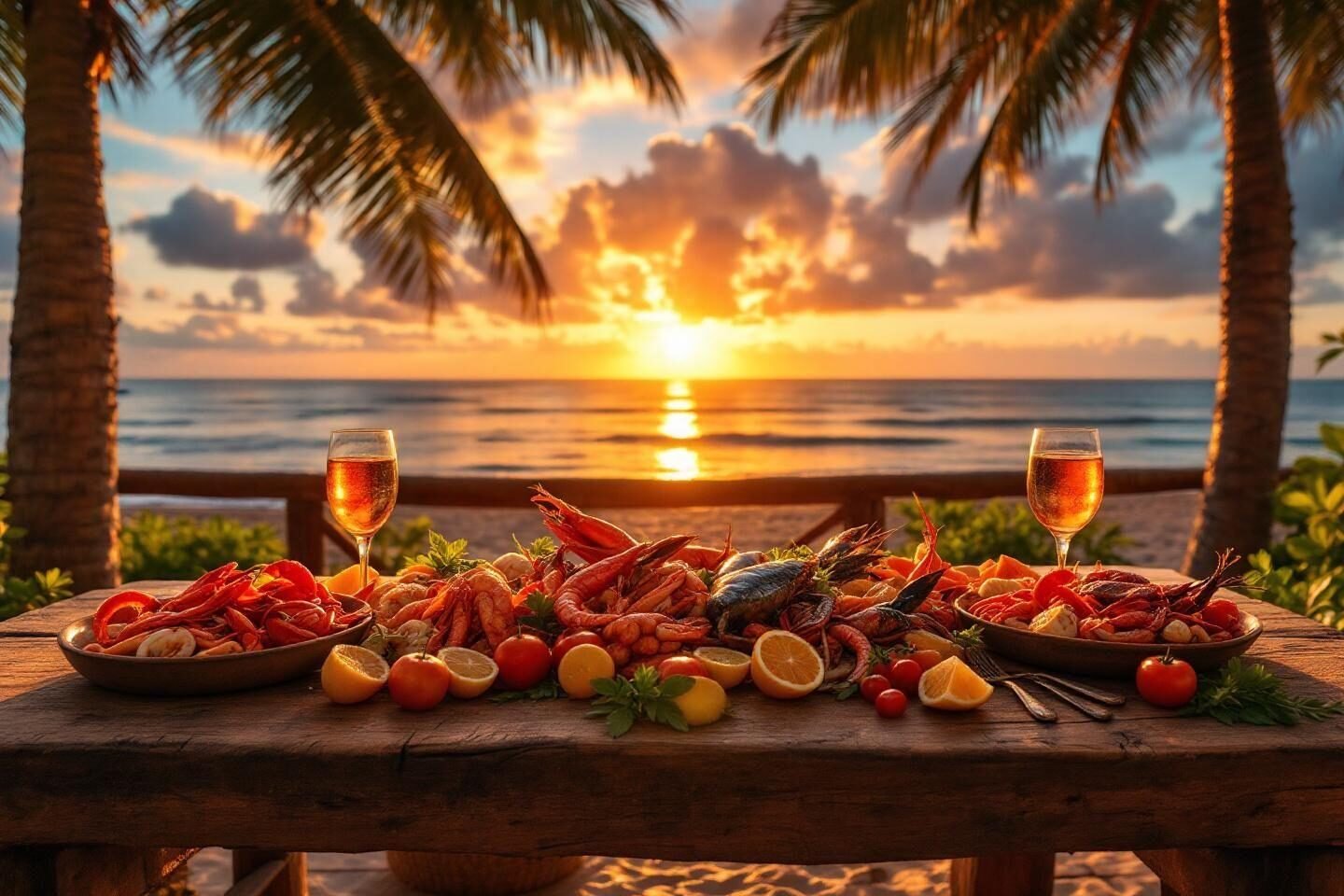
Culinary heritage reflects Arabian, Persian, Indian, and African influences with extensive use of locally grown spices. Fresh seafood appears in numerous preparations : grilled fish with coconut sauce, octopus curry, and spiced prawns. Traditional Swahili cuisine incorporates coconut, cardamom, turmeric, cinnamon, and cloves into nearly every dish. Farm-to-table fresh vegetables and organic ingredients feature prominently at restaurants. Meals become multi-sensory experiences where aromatic spices, succulent fruits, and perfectly grilled meats combine with warm hospitality.
Sustainable ecotourism and conservation initiatives
Chumbe Island Lodge pioneered authentic eco-tourism practices long before sustainability became fashionable. Pastoral chalets were constructed entirely from naturally occurring materials using traditional building methods. Handcrafted wooden furniture showcases local artisan skills while avoiding imported goods. The entire operation demonstrates minimal environmental footprint living within a protected setting.
- Rainwater harvesting : collection and filtration systems providing all freshwater needs
- Eco-friendly toilets : composting systems recycling waste into fertilizer
- Solar panel electricity : renewable power generation eliminating fossil fuel dependence
- Natural ventilation : open structures maximizing airflow without air conditioning
- Plant bed construction : specially designed to prevent runoff reaching coral reefs
The island forms part of a protected coral reserve where fishing and anchoring are prohibited. This designation allows marine ecosystems to recover and flourish. Underwater environments here display remarkable health compared to unprotected areas. Solar power utilization extends beyond Chumbe to various eco-lodges across the archipelago. These facilities prove that luxury and sustainability coexist successfully when proper planning guides development.
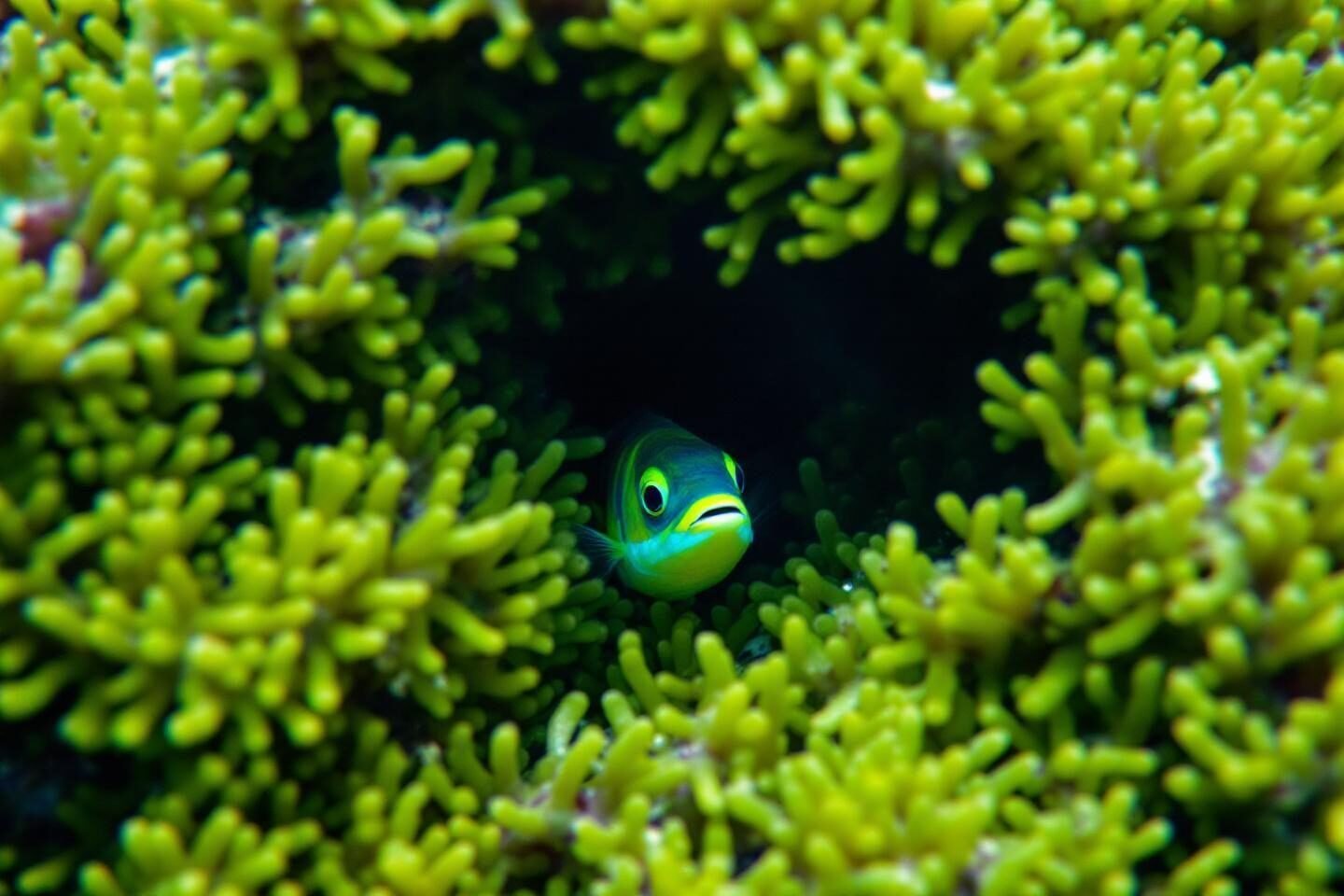
Conservation efforts protect marine ecosystems that act as nurseries for Indian Ocean fish populations. Juvenile fish shelter among coral branches and seagrass beds before migrating to deeper waters. Regulations designating protected marine reserves ensure pristine underwater environments remain undisturbed. Tag and release programs for sport fishing demonstrate commitment to sustainable tourism practices. Several organizations work with local communities, balancing visitor experiences with environmental preservation and economic benefits that incentivize conservation rather than exploitation.
Private island escapades and exclusive retreats
Small islets like Mnemba, Chumbe, and Chapwani offer private island exclusivity impossible at mainland resorts. These ancient coral formations support unique vegetation and wildlife creating self-contained ecosystems. Mnemba Island hosts not more than twenty guests at once, maintaining intimate atmospheres throughout stays. Eco-friendly beachfront bandas blend into natural surroundings using local materials and traditional designs.
Miniature suni antelopes roam freely across Mnemba, these delicate creatures barely larger than rabbits. Guests often encounter them during beach walks or outside their accommodations. The island’s small size allows walking the entire perimeter in less than an hour. Pristine beaches surround every side, ensuring complete privacy regardless of wind direction or tidal conditions. Protected waters support exceptional snorkeling directly from shore.
Chumbe Island’s position as part of a protected coral reserve creates unique opportunities. The no-take marine sanctuary surrounding the island hosts some of the healthiest reefs found anywhere. Snorkeling here reveals what coral ecosystems looked like before widespread degradation. Educational programs teach visitors about reef ecology and conservation challenges. The lodge demonstrates eco-friendly living principles through every operational aspect.
- Chapwani Island features : tidal pools with stranded marine creatures
- Wading birds observed : egrets, white herons hunting at low tide
- Crustacean species : coconut crabs, hermit crabs among mangrove roots
- Small mammals present : tiny dik dik populations adapted to island life
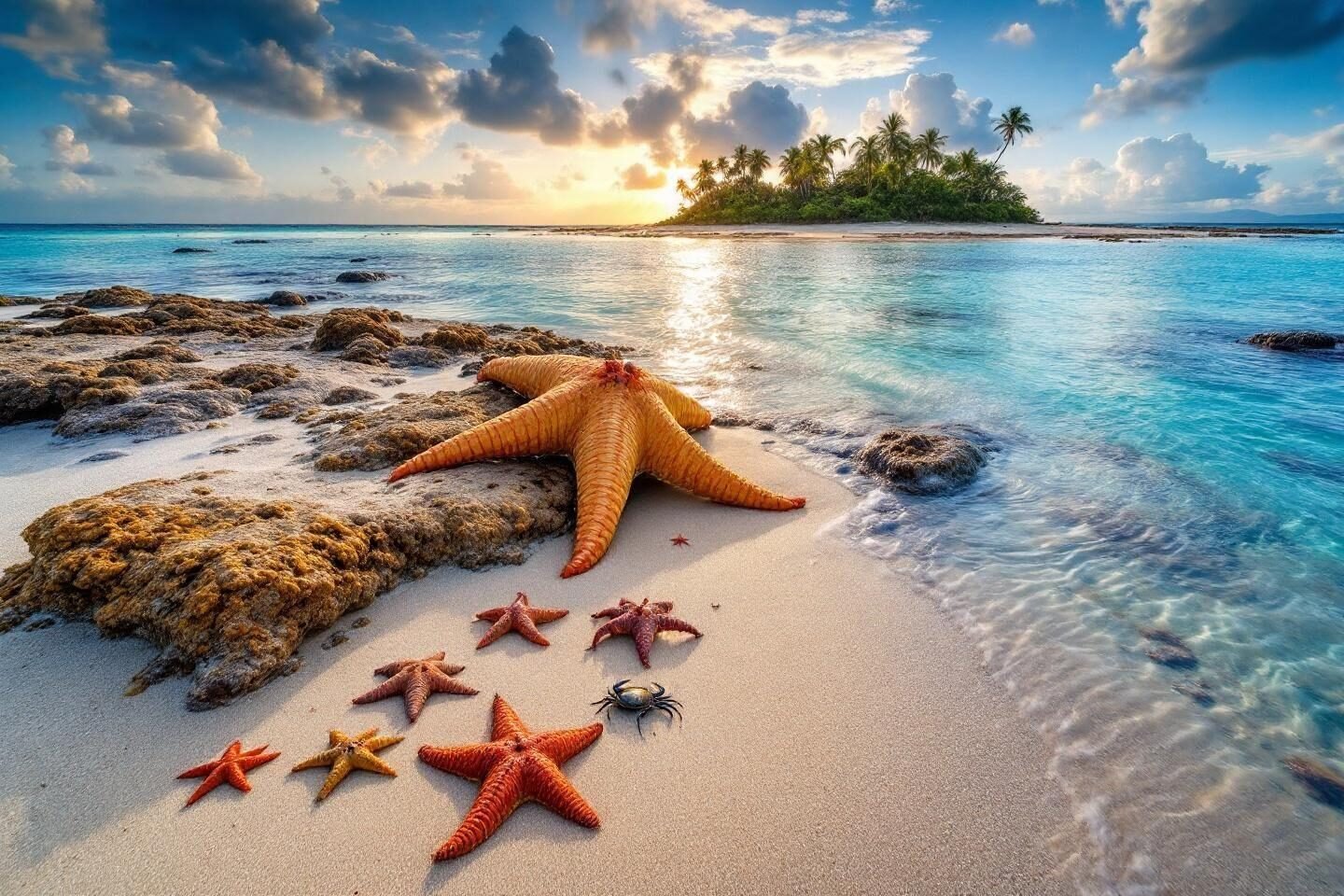
Chapwani Island faces Chwaka Bay, where extensive tidal ranges create dramatic landscape changes. During low tide, vast areas emerge revealing stranded marine creatures in shallow pools. Starfish, sea cucumbers, and small fish wait for returning waters. Coconut crabs, among the world’s largest terrestrial arthropods, climb palm trees seeking food. Hermit crabs scuttle across exposed seabeds searching for shells and sustenance. The remote, undiscovered nature of these islands provides ultimate privacy and connection with unspoiled environments perfect for intimate getaways.
Diverse island tours and unique activities
Beyond beach relaxation, numerous activities allow experiencing authentic Zanzibari life and culture. Horseback riding on Kiwengwa Beach provides unique coastal perspectives. Galloping along firm sand with waves lapping nearby creates exhilarating experiences. Quad biking excursions venture into remote Zanzibari hamlets rarely visited by tourists. These tours reveal traditional village life continuing much as it has for generations.
Yoga classes at various island locations offer peaceful practices amid tropical settings. Sunrise sessions on beach platforms combine physical exercise with meditation enhanced by natural surroundings. The Seaweed Center in Paje provides insight into sustainable seaweed farming training for women. This initiative combines economic empowerment with environmental stewardship. Participants learn cultivation techniques, harvesting methods, and processing procedures.
- Biking tours : exploring rural areas and coastal villages at comfortable pace
- Dhow boat cruises : traditional sailing experiences along the coastline
- Mangrove forest trips : guided walks through tidal ecosystems
- Reef safaris : snorkeling expeditions to multiple sites in single day
Visits to Hamamni Persian Baths built by Shiraz immigrants at Kidichi showcase historical architecture and bathing traditions. These structures feature domed roofs, decorative tilework, and ingenious heating systems. Stone Town walking tours wind through labyrinth alleyways revealing hidden courtyards, ancient mosques, and architectural treasures. Guides share stories about the sultanate period, the spice trade, and cultural fusion shaping modern society.
Sunset dhow cruises rank among the most romantic activities available. These traditional wooden boats glide silently across calm waters as the sky transforms into brilliant colors. Fresh tropical fruits and local snacks complement the experience. Dolphin watching excursions at Kizimkazi depart early morning when these playful mammals appear most frequently. Tours emphasize respectful observation maintaining appropriate distances. These diverse activities allow connecting with local communities and understanding the archipelago’s multifaceted appeal beyond beautiful beaches and luxury accommodations.
The Review
Zanzibar Activities
Explore Zanzibar’s top activities: wander Stone Town, visit spice farms, and relax on Nungwi’s white sands. Your ultimate guide to the magical Spice Island awaits!
PROS
- A Professional Local Guide
- Historical & Cultural Insight
- Travel/Explore with Ease
- Total Security, Absolute Calm
CONS
- Guide Gratuities
- Vibrant Surroundings
Zanzibar Activities DEALS
We collect information from many stores for best price available
 Zanzibar Activities