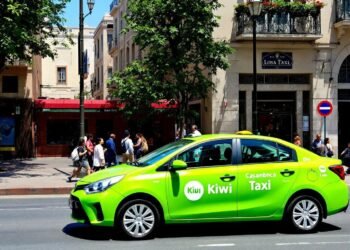






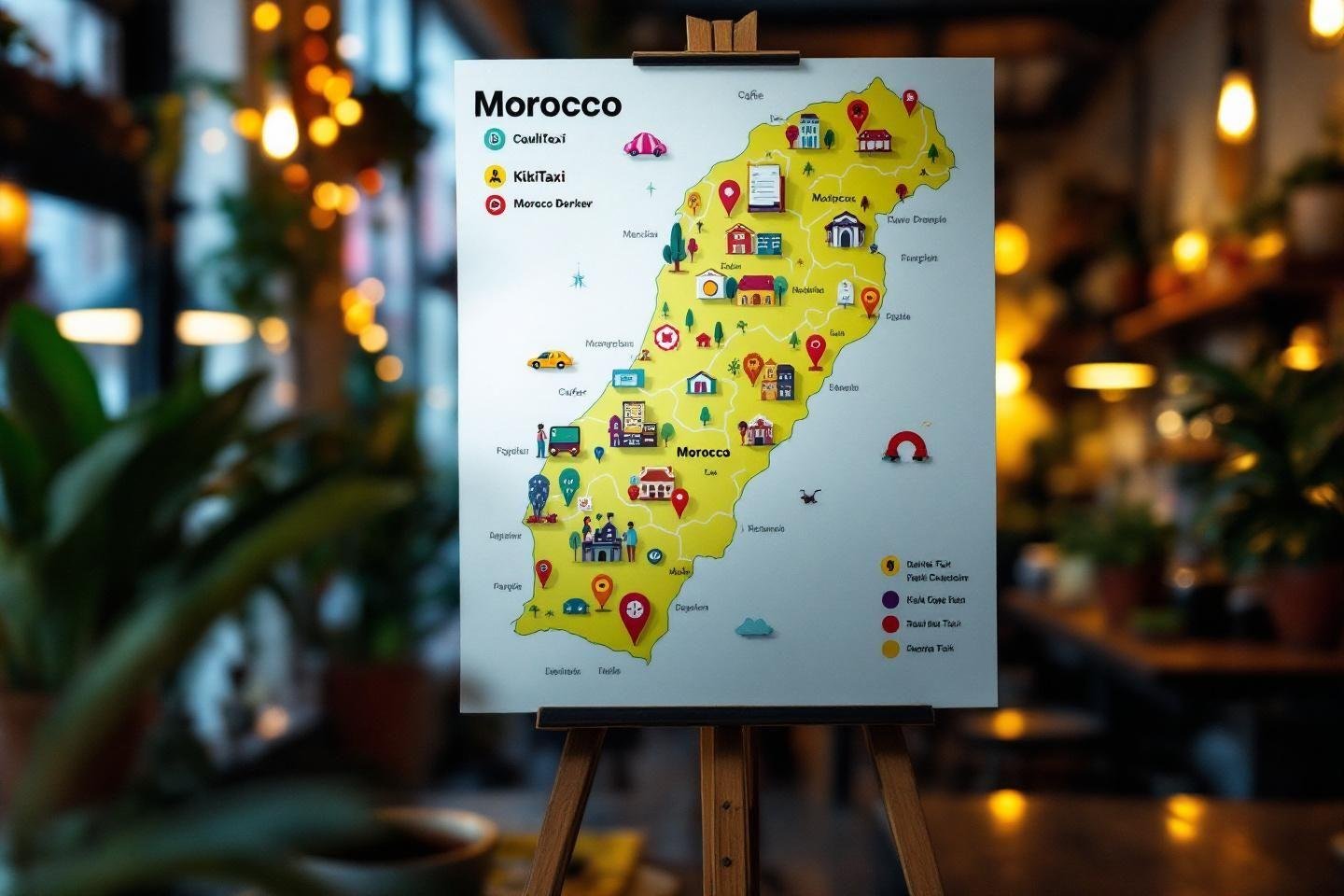
Stepping off a plane in Morocco brings a rush of excitement mixed with practical questions. Where do you find reliable transportation ? Will language barriers complicate the journey ? Can you trust the taxi driver waiting outside ? These concerns multiply when traveling with children or arriving after midnight with luggage in tow. Pre-arranged transfer services eliminate this uncertainty, allowing travelers to focus on the adventure ahead rather than logistics. KiwiTaxi operates worldwide, offering fixed-price transfers that remove guesswork from airport pickups, intercity rides, and hotel connections throughout Morocco. This platform addresses the chaos that often follows arrival by providing clear routes from point A to point B, with drivers tracking flight delays and meeting passengers at designated locations. Beyond KiwiTaxi, Morocco offers extensive transportation infrastructure connecting major cities through trains, buses, taxis, and trams. Understanding these options empowers travelers to make informed decisions based on budget, comfort preferences, and travel style. This guide explores how to navigate Moroccan transportation confidently, whether choosing the convenience of pre-booked services or venturing into local options that reveal the country’s authentic character.
Understanding KiwiTaxi service for Morocco transportation
KiwiTaxi functions as a worldwide transfer platform designed to eliminate post-arrival confusion. The booking process begins with entering pickup and dropoff locations, selecting travel dates and times, then choosing from various vehicle categories. The system immediately displays a fixed price that won’t change regardless of traffic conditions or route deviations. This transparency appeals to travelers who dislike surprises on their credit card statements.
Vehicle options range from standard sedans suitable for couples to minibuses accommodating larger groups. During booking, passengers specify their party size, luggage quantity, and any special requirements like child safety seats. This advance planning prevents awkward situations where five travelers and their bags won’t fit into the vehicle that arrives. The platform’s flexibility extends beyond airport transfers to cover intercity journeys and resort-to-resort rides, creating seamless door-to-door experiences without combining multiple transportation modes.

Drivers receive flight numbers during the booking confirmation process and actively monitor arrival times. When delays occur—a common reality of international travel—drivers adjust pickup schedules accordingly. Clear instructions specify meeting locations, typically at arrivals halls with drivers holding signs displaying passenger names. This structured approach particularly benefits families navigating unfamiliar airports with tired children, solo travelers arriving in darkness, or anyone carrying expensive camera equipment through crowded terminals.
The meeting process removes the urgency that usually accompanies arrival. Rather than rushing to find transportation while other passengers crowd exit areas, travelers know someone waits specifically for them. This reassurance proves invaluable in countries where different languages and unfamiliar rules create additional stress. Fixed pricing models allow accurate budget planning from the outset, eliminating concerns about running meters or unexpected surcharges that sometimes appear with traditional taxi services.
Train travel across major Moroccan cities
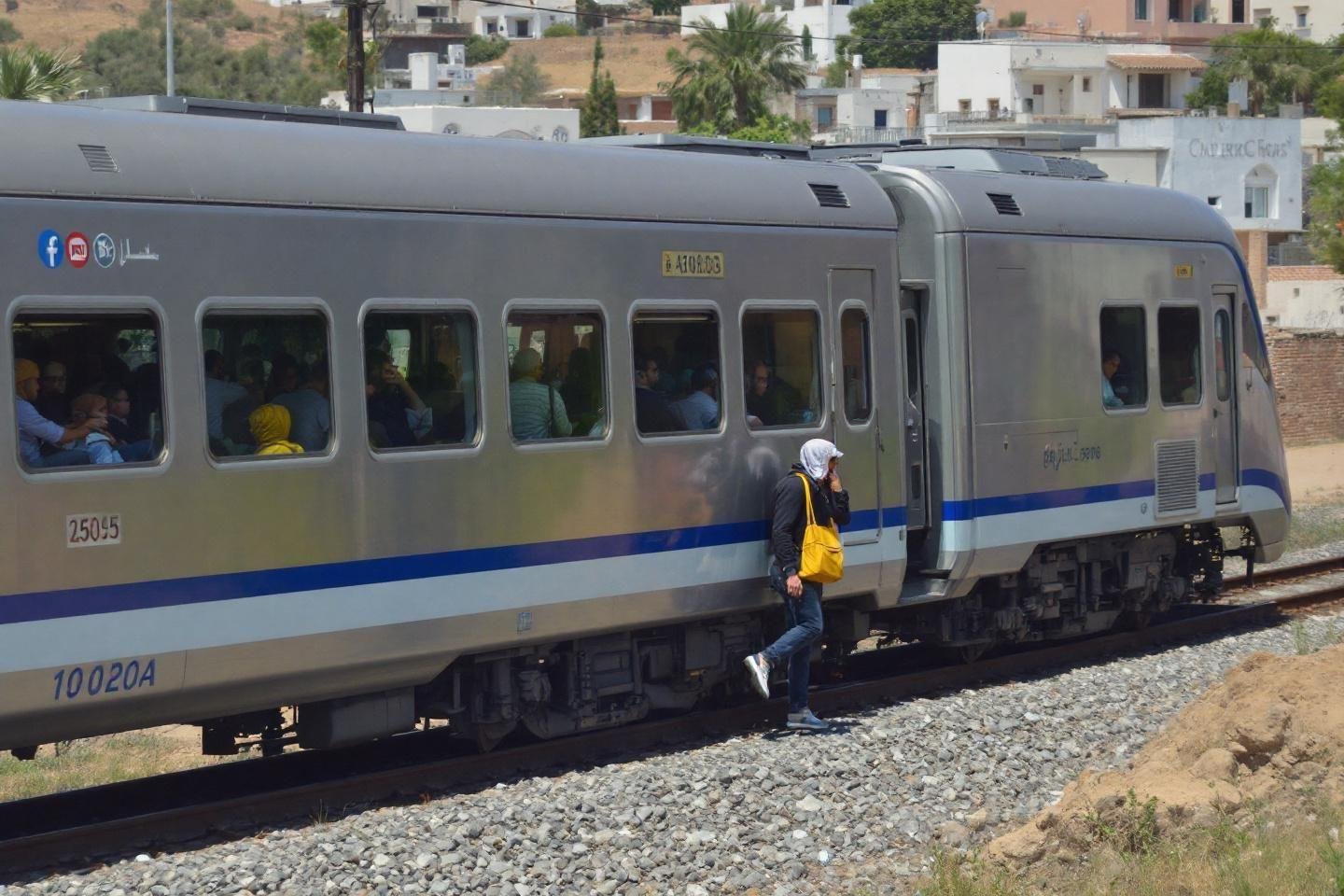
Morocco’s ONCF operates a comprehensive national rail network connecting Casablanca, Rabat, Fes, Meknes, and Marrakesh along with numerous smaller towns. The infrastructure supports frequent departures between major destinations, making trains a reliable choice for intercity travel. While the ONCF website operates primarily in French, navigation remains manageable for non-French speakers through recognizable station names and visual cues.
Marrakech serves as the southern terminus, with its conveniently located station adjacent to SupraTours and CTM bus companies. This proximity simplifies connections for travelers heading to destinations beyond the rail network. ONCF maintains an affiliation with SupraTours, allowing passengers to purchase combined train-bus tickets from any station for southern destinations like Zagora or Dakhla. This integration creates seamless journeys across diverse landscapes without requiring separate bookings.
Tickets cannot be purchased online but remain available at any station nationwide. Pricing varies significantly based on distance traveled. The short Rabat-Casablanca route costs just 30 dirham for coach class, completed in approximately one hour. Medium-distance journeys typically range from 100 to 150 dirhams for trips lasting a few hours. The longest route from Mohammed 5th Airport in Casablanca to Dakhla in the far south costs 628 dirhams, reflecting the substantial distance covered.
Between Tangier and Casablanca, a high-speed train service completes the journey in just over two hours. These modern trains offer comfortable seating, smooth rides, and reliability that makes them preferable to bus alternatives for this heavily traveled corridor. Travelers who value punctuality and comfort find Morocco’s rail system exceeds expectations, dispelling misconceptions about infrastructure quality in North African countries. The trains provide windows into daily Moroccan life as local commuters share cars with international visitors, creating opportunities for cultural exchange during the journey.
Bus services : CTM and SupraTours options
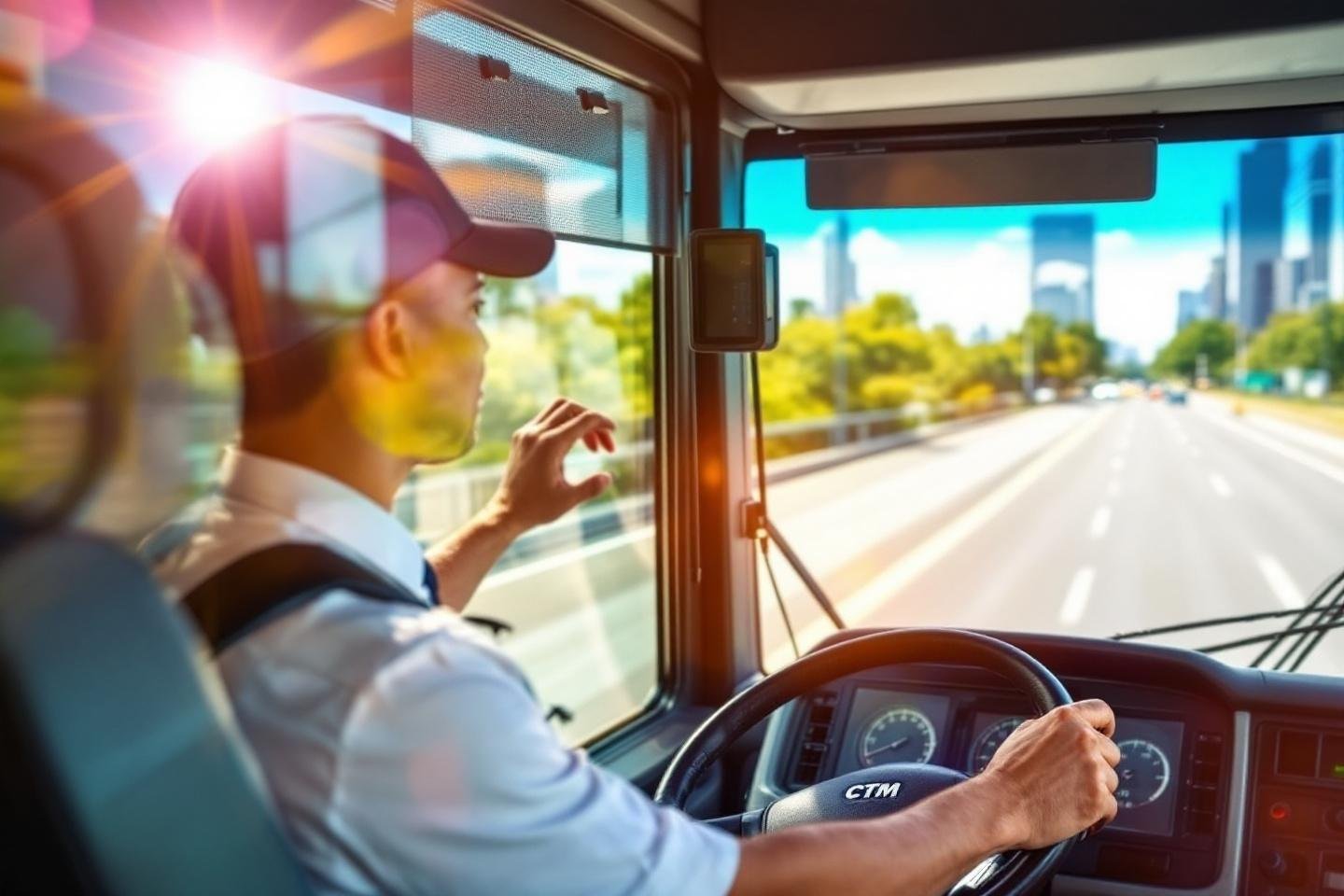
CTM and SupraTours represent Morocco’s most reliable bus companies, offering extensive networks that reach destinations throughout the country. CTM’s website provides English language options and online ticket purchasing, though travelers can also buy tickets at stations. Both companies maintain similar route coverage, traveling to most cities and larger towns with predictable schedules that contrast sharply with less organized local options.
Certain buses feature amenities like WIFI and additional legroom in Luxe class configurations. These upgraded options cost slightly more but provide comfort levels approaching European coach standards. Standard class remains comfortable with adequate seating space for most travelers. Pricing between the two companies stays relatively comparable, with the Casablanca to Marrakech route costing approximately 85 dirham and the Marrakech to Zagora journey running about 135 dirham.
These services occupy a middle position between private transfers and budget transportation. Travelers who don’t require door-to-door service but want reliability choose these buses over local alternatives. Departure times generally align with schedules, allowing confident planning around arrival and departure needs. The companies maintain stations in central locations, often adjacent to train terminals, facilitating easy connections for travelers combining transportation modes.
Professional drivers navigate routes efficiently, stopping only at designated stations rather than picking up passengers along roadsides. This predictability means published journey times reflect actual travel duration. Buses undergo regular maintenance, reducing breakdown risks that plague some smaller operators. For budget-conscious travelers who prioritize comfort and reliability over luxury, CTM and SupraTours provide excellent value without the premium pricing of pre-arranged private services.
Budget bus travel : standard and souq buses
Standard souq buses represent the most affordable transportation option in Morocco, though significant limitations accompany the low fares. Each bus operates under private ownership by individual companies, creating inconsistency in service quality and operational practices. Advertised departure and arrival times serve as rough guidelines rather than firm commitments, with actual timing varying considerably based on passenger demand and driver decisions.
Buses frequently stop along routes to pick up and drop off passengers, extending journey duration unpredictably. These roadside stops occur wherever riders flag down vehicles, rather than at designated stations. The practice maximizes driver income by filling every available seat but compromises schedule adherence. Travelers on tight schedules or connecting to flights should avoid these buses due to arrival time uncertainty.
Vehicle conditions vary dramatically from relatively comfortable to concerning. Maintenance standards differ between operators, and animals are permitted onboard—beneficial for those traveling with pets but potentially uncomfortable for other passengers. Language barriers present challenges as drivers and fellow passengers primarily speak Darija, possibly some French, and limited English. Navigation assistance or schedule clarification becomes difficult for non-Arabic speakers.
Pricing varies between companies for identical routes, determined by individual operators. A Marrakech to Casablanca journey might cost 60 dirham on one bus and 70 dirham on another departing at different times. Travelers comfortable with uncertainty and flexible schedules can save substantial amounts choosing souq buses over premium alternatives. However, the experience demands patience, adaptability, and willingness to embrace unpredictability. Those prioritizing certainty, comfort, or time efficiency should consider alternative transportation methods despite higher costs.
Grand taxi services for intercity travel
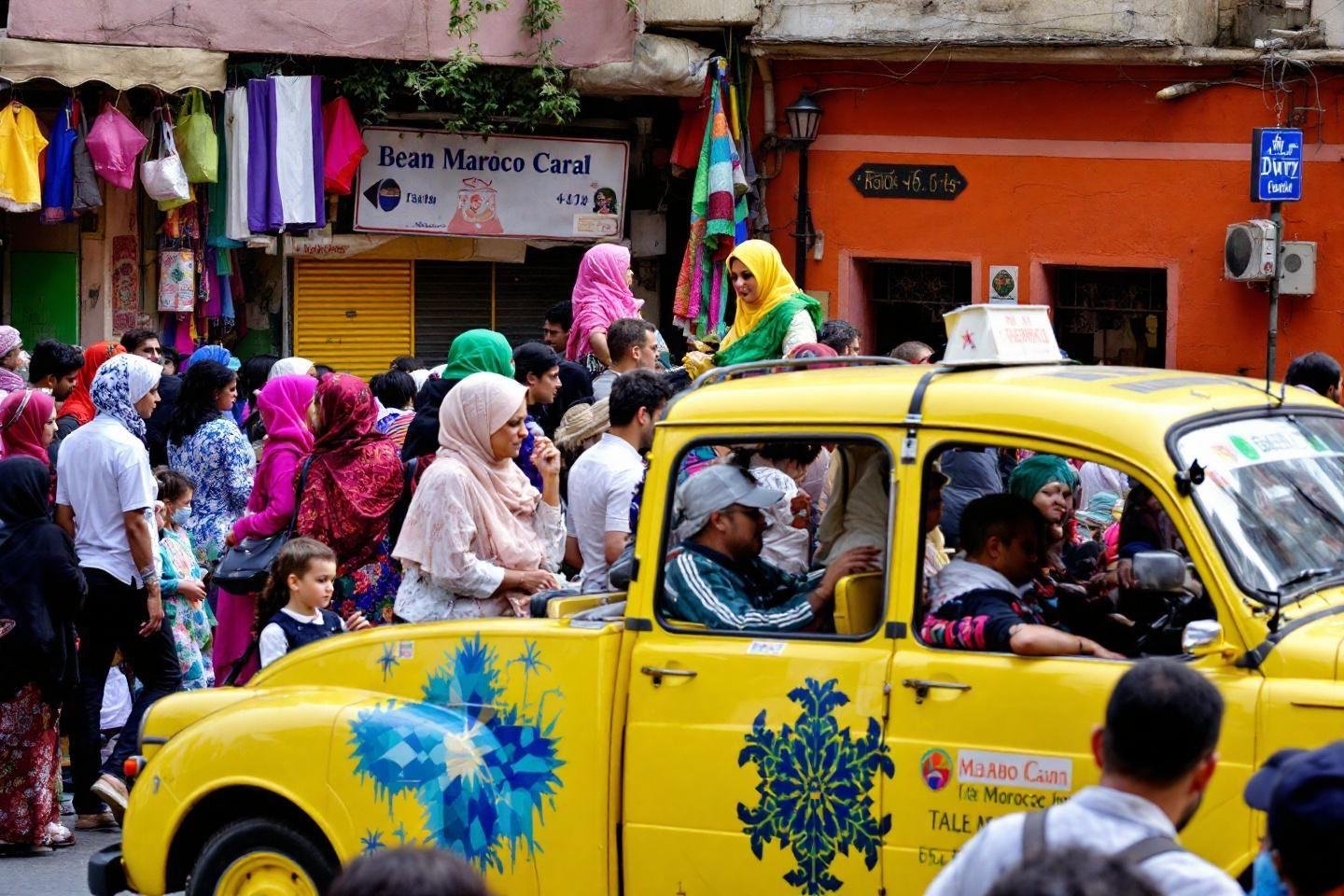
Grand taxis provide traditional city-to-city and city-to-town transportation throughout Morocco. These vehicles are identifiable by their yellow color and red circular stamps marking them as authorized for intercity service. Capacity typically ranges from six to eight people depending on vehicle model, though standard four-seat cars often accommodate additional passengers through creative space maximization.
Groups of five to six travelers seeking cost savings find grand taxis particularly advantageous. The service also suits those needing specific departure times when trains or buses don’t operate. Short distances to nearby villages cost as little as 5 to 15 dirham per seat, making this option extremely economical for regional travel. Longer routes like Zagora to Ouarzazate, requiring approximately three hours, cost around 80 to 90 dirham per person.
Pricing doubles after sunset, transforming a 10 dirham daytime ride into a 20 dirham evening fare. This practice remains consistent across Morocco and reflects driver preferences for daytime operations. Tipping generally isn’t expected, though drivers experienced with foreign passengers sometimes request gratuities. For distances under 20 kilometers, fares shouldn’t exceed 10 dirham. Comparing prices with local bus station rates helps identify unreasonable requests.
Grand taxis depart when full rather than on fixed schedules, meaning wait times vary based on passenger demand. Popular routes fill quickly, while less-traveled destinations may require patience. Drivers congregate at designated taxi stands near bus stations or city centers, making them easy to locate. The experience provides authentic glimpses into Moroccan daily life as locals and travelers share space during journeys. These vehicles complement pre-arranged services for shorter regional trips where flexibility exists regarding departure timing.
Petite taxi services within cities
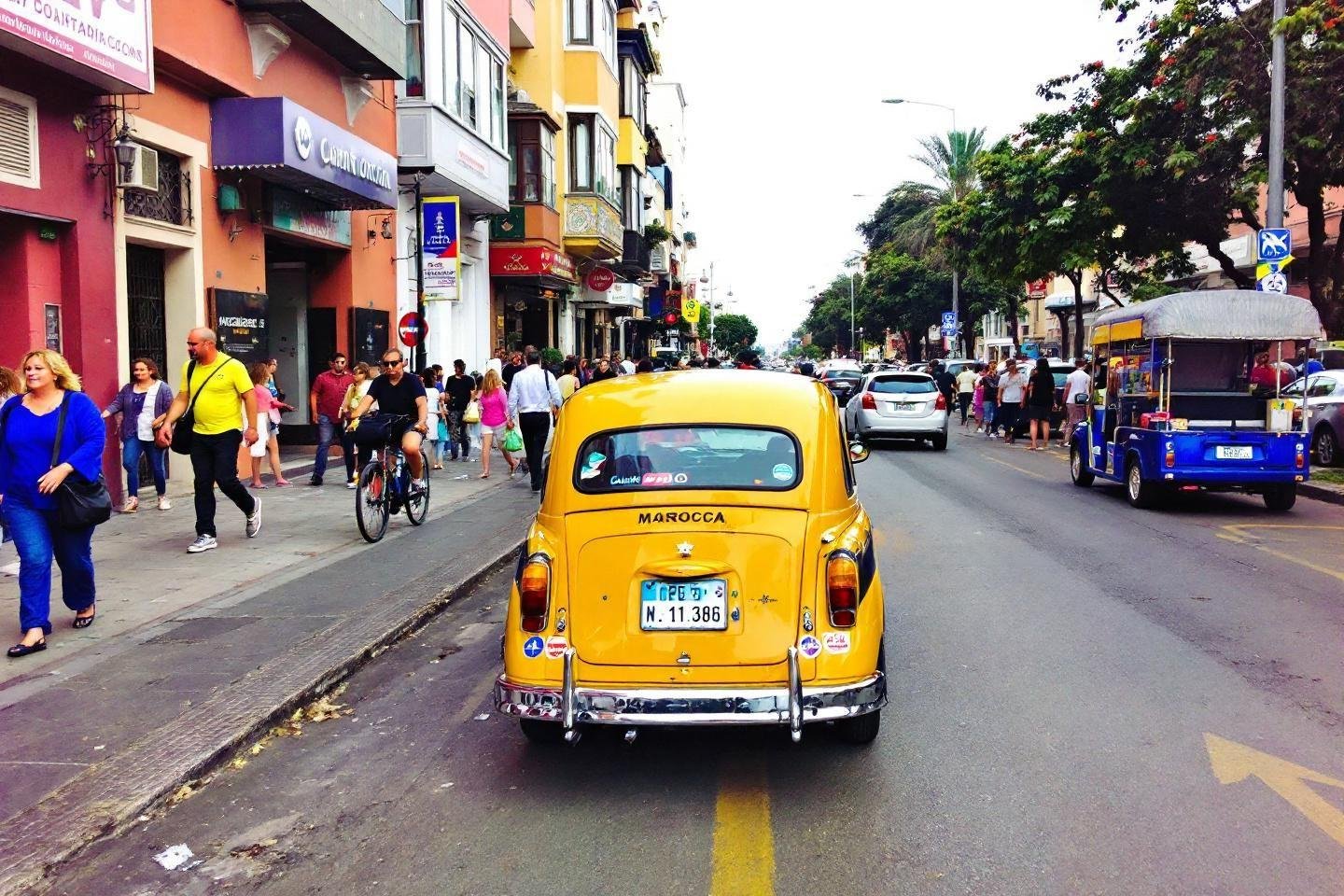
Petite taxis operate exclusively within city limits, with colors uniform to each municipality. Rabat’s taxis are blue, Fes features green vehicles, and Marrakech displays yellow cabs. This color-coding helps visitors identify legitimate licensed taxis versus unofficial drivers. Moroccan law limits passengers to three despite four-seat vehicle configurations, a regulation designed to maintain driver safety and passenger comfort.
These taxis operate on meter-based pricing calculated by distance traveled. Minimum fares start at 7 dirham during daytime hours and increase to 10 dirham after dark. Meters should activate automatically when journeys begin, displaying running totals as rides progress. However, some drivers refuse meter use, instead asking fixed prices or negotiating amounts before departure. This practice typically indicates scam attempts targeting unfamiliar visitors.
When drivers won’t activate meters, seeking another taxi proves advisable. Legitimate drivers use meters without hesitation, providing transparent pricing that protects both parties. The same tipping convention applies as with grand taxis—gratuities aren’t expected though some drivers request them from foreign passengers. Most local Moroccans don’t tip for short city rides, making this practice optional rather than obligatory.
Petite taxis serve essential roles for short distances and local errands where pre-arranged services would be unnecessarily expensive. Running quick errands, reaching restaurants beyond walking distance, or connecting between neighborhoods makes these taxis practical choices. Recognizing legitimate vehicles through proper color schemes and official markings prevents encounters with unauthorized drivers who sometimes congregate near tourist areas. The efficient meter system ensures fair pricing when drivers operate vehicles correctly, providing affordable urban mobility throughout Moroccan cities.
Tram systems in Casablanca and Rabat
Trams operate exclusively in Casablanca and Rabat, providing quick efficient transportation along fixed routes through city centers. These modern systems offer reliable alternatives to taxis for traveling between major districts. One-way tickets cost 6 dirham, purchasable from station workers or automated ticket machines located at stops. Station workers speak primarily Darija or French, with occasional English capability.
The straightforward ticketing process involves approaching machines, selecting destination zones, and receiving tickets valid for single journeys. Trams run on published schedules with frequent service during daylight hours and reduced frequency in evenings. Clean vehicles with designated seating areas provide comfortable rides along designated tracks, avoiding street traffic that sometimes slows other transportation modes.
Tram routes connect residential neighborhoods with commercial districts, tourist areas, and transportation hubs. In Casablanca, lines link the city center with outlying areas including routes passing near Hassan II Mosque. Rabat’s network connects the main train station with government districts and popular tourist destinations. Maps posted at stations display complete route networks, helping travelers identify correct lines for specific destinations.
These systems complement pre-arranged airport transfers by providing affordable local transportation once travelers reach primary destinations. After arriving via KiwiTaxi or similar services, trams enable independent exploration without constant taxi expenses. The fixed routes suit travelers comfortable navigating public transportation who want to experience cities as residents do. Trams offer simple, convenient navigation for sightseeing and daily activities, blending efficiency with opportunities to observe local life. The environmental benefits of electric tram systems also appeal to eco-conscious travelers seeking sustainable transportation alternatives during their Moroccan adventures.
Car rentals and self-driving considerations
Self-driving remains possible throughout Morocco but requires significant caution and preparation. Car rentals are available at all airports and through numerous private companies in major cities. Large deposits are typically required initially, often held on credit cards until vehicles are returned undamaged. This financial commitment reflects the challenging driving conditions that increase vehicle damage risks.
Documenting all pre-existing damage before leaving rental parking lots proves critically important. Scratches, dents, and chips are common due to Moroccan road conditions, narrow streets, and driving styles that differ dramatically from Western norms. Taking comprehensive photographs or videos of entire vehicle exteriors and interiors protects against false damage charges. Some rental companies attempt to charge for pre-existing damage, making thorough documentation essential protection.
Understanding rental company damage policies becomes especially important for travelers planning mountain driving on tougher terrain. Desert roads, mountain passes, and rural routes present challenges exceeding typical urban driving. Insurance coverage varies significantly between providers, with some excluding specific damage types or requiring substantial deductibles. Reading contracts carefully and asking explicit questions about coverage prevents costly surprises during vehicle returns.
Sufficient time should be budgeted for both pickup and dropoff procedures. Rental companies conduct thorough inspections that can require thirty minutes or more. Arrival flight delays or tight connection schedules may create timing pressures that complicate the rental process. This option suits confident drivers and solo travelers seeking independence but requires careful planning and comfort with challenging driving conditions. Comparing car rental costs and freedom against the convenience and stress-free nature of pre-arranged transfer services helps travelers make informed decisions. The flexibility of exploring remote areas independently must be weighed against navigation challenges, parking difficulties in crowded medinas, and the constant vigilance required on unfamiliar roads.
Navigating medinas on foot
Old city medinas weren’t designed for vehicular traffic, making walking the only viable option in many areas. Narrow alleyways, sometimes just shoulder-width, physically prevent car access. Even wider medina streets often restrict vehicles to preserve historical character and pedestrian safety. Pre-arranged transfer services like KiwiTaxi can deliver travelers to medina entrances but cannot navigate interior passages.
Accommodations within medinas require foot access from nearest vehicle drop-off points. Distances vary from fifty meters to several hundred depending on location depth within the medina. Many riads and hotels arrange porter services to carry luggage from accessible areas to accommodation doorsteps. These porters navigate complex medina routes efficiently, preventing guests from getting lost while managing heavy bags through crowded passages.
Travelers with mobility difficulties should carefully consider accommodation locations based on walking requirements. Medinas feature uneven surfaces, occasional stairs, and slopes that challenge those with limited mobility or using wheelchairs. Modern accommodations outside medina walls provide easier access for travelers requiring ground-level entry or elevator access. However, staying within medinas offers immersive experiences that modern hotels cannot replicate.
Comfortable walking shoes become essential for medina exploration. Surfaces range from smooth stone to rough cobblestones, with occasional loose areas requiring careful footing. Light packing proves advantageous for medina accommodations, reducing the burden of navigating stairs or passages with luggage. Typical walking distances within Moroccan medinas vary considerably. Fes el-Bali, one of the world’s largest car-free urban areas, requires substantial walking regardless of accommodation location. Marrakech’s medina remains more compact, while Chefchaouen’s hillside layout adds elevation changes to distance considerations. Understanding these realities helps travelers make informed accommodation choices that align with physical capabilities and comfort preferences.

Alternative transfer services and booking platforms
Several platforms compete with KiwiTaxi in the pre-arranged transfer market. Booking.com offers transfer services with benefits for Genius members including ten percent discounts and the ability to use earned wallet credits toward transportation costs. This integration appeals to travelers who already use Booking.com for accommodation, consolidating travel expenses within a single platform.
Get Transfer provides another private transfer booking option with fixed pricing and professional drivers. The platform functions similarly to KiwiTaxi, offering advance reservations that eliminate arrival uncertainty. Comparing prices across multiple platforms before committing helps identify the best value for specific routes and travel dates. Prices sometimes vary significantly for identical services depending on platform commission structures and promotional periods.
Hotels throughout Morocco can recommend trusted transfer service providers with established fixed prices. This option may cost slightly more than self-arranged transportation but provides reliability backed by hotel relationships. Properties accustomed to international guests maintain connections with reputable drivers who understand foreign traveler needs. Some upscale accommodations include airport transfers in room rates or offer them as paid add-ons during booking.
Flat-rate taxi stands operate at some Moroccan airports, offering alternatives to pre-booked services. These official stands display fixed pricing to major destinations, eliminating negotiation and providing transparency. Availability varies by airport, with larger facilities like Casablanca and Marrakech more likely to offer organized services. Checking destination-specific forums before travel helps identify whether flat-rate options exist for particular airports.
TripAdvisor forums and travel blogs provide valuable insights into current transportation conditions and recommended providers for specific Moroccan cities. Recent reviews reflect changes in service quality, pricing, and availability that official websites may not acknowledge. Travelers benefit from others’ experiences, learning which services deliver as promised and which create problems. This research investment prevents costly mistakes and disappointing experiences that sometimes result from choosing unfamiliar providers without verification.
Transportation planning and safety recommendations
Pre-arranged transfers like KiwiTaxi provide peace of mind that justifies premium pricing in certain situations. Late-night arrivals in unfamiliar cities create vulnerability that organized pickups mitigate. Exhaustion after long flights impairs decision-making abilities, making pre-planned transportation attractive despite higher costs compared to spontaneous alternatives. Security concerns and the complexity of navigating airports with children or elderly family members further justify transfer service expenses.
Fixed pricing models allow accurate budget planning from trip beginnings. Travelers know exact transportation costs when booking, eliminating surprises that sometimes appear with metered taxis or negotiated rates. This certainty proves particularly valuable for families managing overall travel budgets across multiple expense categories. Well-organized booking platforms reduce decision fatigue by structuring options logically rather than requiring searches across numerous websites.
The structured meeting process where drivers wait specifically for booked passengers provides reassurance particularly valuable for nervous travelers. Families managing young children through crowded airports appreciate knowing someone waits to assist with luggage and navigation. Photographers carrying expensive equipment feel more secure with dedicated drivers than leaving gear unattended while searching for transportation. Solo travelers, especially women arriving alone in darkness, often prioritize security over cost savings.
Choosing between pre-arranged services and local transportation depends on multiple factors. Arrival times significantly influence decisions—late-night arrivals favor pre-booked options while midday arrivals allow more flexibility. Group size affects per-person costs, with larger groups finding private transfers more economical than multiple taxis. Luggage quantity creates practical limitations, as excessive bags complicate use of public transportation or small taxis.
Comfort levels vary among travelers based on experience and personality. Veterans comfortable navigating unfamiliar transportation systems save money using local options. First-time visitors or those feeling anxious about language barriers prefer guaranteed rides despite premium costs. Travel insurance provides protection for transportation-related issues including missed connections, lost luggage, or service cancellations. Connectivity solutions like eSIMs ensure communication capability with drivers and access to booking confirmations, preventing miscommunications that sometimes cause missed pickups.
- Evaluate arrival timing when deciding between pre-arranged and local transportation options
- Calculate per-person costs for groups to determine whether private transfers or multiple taxis prove more economical
- Consider luggage quantity and how it affects transportation choices and mobility through stations
- Assess personal comfort levels with navigating unfamiliar systems in foreign languages
- Verify connectivity solutions are functioning before arrival to enable driver communication
Understanding Morocco’s diverse transportation ecosystem empowers travelers to make choices aligned with budgets, comfort preferences, and adventure tolerance. Pre-arranged services provide certainty and convenience for those prioritizing stress-free experiences. Local options offer authenticity and savings for travelers comfortable with spontaneity. The country’s extensive infrastructure supports both approaches, ensuring visitors can explore efficiently regardless of chosen methods. Successful navigation combines advance planning for critical connections with flexibility for less time-sensitive journeys, creating balanced travel experiences that honor both practical needs and desires for genuine cultural immersion.
The Review
KiwiTaxi
KiwiTaxi: Your Seamless Connection, Anywhere. Forget the stress of navigating local transport. KiwiTaxi delivers reliable, high-speed private and shared transfers that bridge the gap between airports, train stations, and your hotel.
PROS
- Economy
- Comfort
- Minivan 4PAX
- Minibus 7PAX
CONS
- Availability issues / cancellation without prior notice
- Strict waiting time policy
 Economy