






Zanzibar: Swimming with Dolphins Day Trip DEALS
Off Tanzania’s eastern shores, an archipelago emerges from the Indian Ocean like scattered emeralds on sapphire silk. Pristine coastlines meet centuries of history where Arabian merchants once traded precious spices and carved intricate wooden doorways. This tropical paradise offers more than postcard-perfect beaches and swaying palms. Adventurers discover underwater kingdoms teeming with colorful marine creatures, while cultural enthusiasts wander through narrow alleys where African, Arab, and Persian influences blend seamlessly into daily rhythms. The main island of Unguja hosts UNESCO-protected historic quarters alongside secluded coves where kitesurfers dance across turquoise waves. From encountering ancient tortoises to swimming alongside wild dolphins, from exploring aromatic plantations to savoring sunset dhow cruises, this destination rewards curious travelers with authentic encounters. Whether seeking adrenaline-fueled water sports, peaceful village experiences, or glimpses into complex maritime history, these islands deliver unforgettable moments. This comprehensive resource guides you through optimal timing for visits, essential transportation details, must-experience attractions, hidden coastal gems, and practical insights for maximizing your journey across one of Africa’s most captivating destinations.
When to visit Zanzibar for the best experience
Timing your journey properly transforms good vacations into extraordinary adventures. Between June and October, favorable weather conditions dominate with temperatures hovering around 25-29°C. Clear skies stretch endlessly while humidity drops to comfortable levels, and rainfall becomes practically nonexistent. This period attracts peak visitor numbers, particularly families and couples seeking guaranteed sunshine for beach relaxation and marine explorations.
July stands out as particularly advantageous, especially for those combining coastal relaxation with mainland safaris. The timing coincides with the Great Migration, allowing travelers to witness dramatic wildlife spectacles before unwinding on powder-soft beaches. From December through March, temperatures climb to their annual highs, coinciding perfectly with winter escapes for Northern Hemisphere residents seeking warmth during colder months back home.

The rainy period from April to May brings different advantages worth considering. High humidity accompanies frequent precipitation, yet rain typically falls in intense bursts rather than sustained downpours that ruin entire days. Tourist numbers decline significantly, creating peaceful beach experiences and substantially lower accommodation rates. Many activities remain fully accessible despite occasional showers. November interrupts the dry season briefly with sporadic rainfall, though this rarely impacts planned excursions. The tropical climate operates on wet-dry cycles rather than traditional seasonal patterns, meaning warm temperatures persist year-round. Proper planning ensures rewarding experiences regardless of arrival dates, with each period offering distinct advantages for different traveler preferences and budgetary considerations.
Getting to Zanzibar : transportation options
Reaching this archipelago requires strategic planning depending on departure points. Abeid Amani Karume International Airport on Unguja handles international arrivals through major carriers including Qatar Airways, Ethiopian Airlines, Turkish Airlines, and KLM. These airlines connect through hub cities like Doha, Addis Ababa, Amsterdam, Nairobi, and Cairo, providing numerous routing options for global travelers.
For those already exploring Tanzania’s mainland attractions, domestic connections simplify island access. Precision Air, Air Tanzania, and ZanAir operate frequent flights from Dar es Salaam, Kilimanjaro, and Arusha. Flight durations rarely exceed one hour, making same-day connections feasible for tight itineraries. Ferry services from Dar es Salaam offer alternative transport, with Kilimanjaro Fast Ferries completing the journey in approximately two hours before docking at Stone Town’s harbor.
Journey times from distant continents typically span around thirty hours when accounting for connections and layovers. Europeans generally experience shorter travel durations compared to travelers departing from North or South America, who often require multiple connection points. Understanding these logistics helps manage expectations and plan rest periods accordingly. Airport transfers into Stone Town cost roughly $20 via registered taxi services, providing straightforward access to accommodation bases. Booking flights well in advance secures better rates, particularly during peak seasons when demand drives prices upward significantly.
Navigating around the island : local transportation
Once arrived, multiple transport methods facilitate exploration across diverse landscapes. Registered taxi services operate reliably though at premium rates, charging approximately $20 for airport-to-Stone Town transfers. For shorter distances between beaches and markets, tuk-tuks provide charming and economical alternatives at $5-15 per ride, though they suit light luggage scenarios better than airport runs with bulky bags.
Independent travelers often rent vehicles for maximum flexibility. Car rentals range from $30-80 daily depending on vehicle type and rental duration, while scooter rentals cost around $15 per day, appealing to solo adventurers comfortable navigating two-wheeled transport. Traditional dhow boats facilitate island-hopping excursions, connecting various coastal points and offshore destinations through authentic maritime experiences.
Infrastructure challenges exist, particularly away from main routes. Many roads remain unpaved and unsigned, requiring careful navigation and sometimes local guidance. Dala-dalas, the local minibus system, transport residents affordably between villages and towns, offering budget-conscious travelers authentic glimpses into daily commuting patterns. Negotiating fares in advance prevents misunderstandings, whether hiring taxis, tuk-tuks, or private boat charters. Choosing licensed transportation services ensures both safety and reliability, particularly important when traveling with families or valuable belongings. Understanding these options before arrival streamlines logistics and prevents unnecessary stress during precious vacation time.

Stone Town : exploring the historic heart
At Zanzibar City’s center, a UNESCO World Heritage Site unfolds through labyrinthine pathways where centuries converge. African rhythms blend with Arabian architectural flourishes, Indian trading influences, Persian decorative traditions, and European colonial remnants. Narrow winding streets lead past intricately carved wooden doors that tell silent stories of merchant wealth and artistic dedication. Historic buildings lean toward one another, creating shaded corridors where sunlight filters through unexpected gaps.
This former maritime trading hub preserves fascinating architectural heritage visible in every direction. Walking remains the optimal exploration method, allowing spontaneous discoveries impossible from vehicle windows. Guided walking tours provide essential historical context, explaining complex cultural layers and architectural significance that independent wanderers might overlook. Knowledgeable guides illuminate how Omani sultans shaped building styles, how Indian merchants influenced commercial practices, and how European colonizers left lasting administrative imprints.
After absorbing structured tour information, independent wandering becomes rewarding. Getting deliberately lost in the alleys reveals hidden cafes serving strong Swahili coffee, unexpected courtyards where locals gather, and artisan workshops crafting traditional goods. Photographing ornate Zanzibar doors becomes addictive, as each portal displays unique carvings reflecting family histories and social standings. The atmospheric experience deepens understanding of how diverse cultures coexisted and influenced one another across generations, creating this unique cultural tapestry that defines the archipelago’s identity today.
Stone Town’s must-see historical landmarks
The Old Fort stands as Stone Town’s oldest structure, its historic fortification witnessing centuries of political changes and cultural shifts. Massive coral stone walls enclose spaces now hosting cultural events and craft markets, transforming military architecture into community gathering points. Nearby, the House of Wonders remains temporarily closed though its architectural significance persists as a landmark representing technological advancement during the sultanate period.
The People’s Palace Museum occupies the former Sultan’s residence, a 19th-century palace displaying artifacts and documents that showcase Zanzibar’s complex history. Exhibits chronicle trading networks, political alliances, and social transformations that shaped the archipelago’s development. The Old Slave Market and Anglican Cathedral stand as powerful reminders of darker historical chapters, where the last major slave trading operations occurred before abolition. The cathedral’s construction symbolized religious and social progress, transforming a site of human suffering into a place of worship and reconciliation.
St Joseph’s Cathedral rises with distinctive twin spires, marking Tanzania’s first Catholic Church in the Baghani area. The Old Dispensary represents 19th-century charitable efforts, having provided medical aid during colonial times when healthcare access remained extremely limited. Africa House Hotel preserves history as a former Sultan’s home that evolved into “The English Club” for expatriate English travelers. Today it operates as an iconic hotel where rooftop bars offer spectacular sunset views over the harbor, connecting modern tourism with layered historical narratives.
Cultural sites and markets in Stone Town
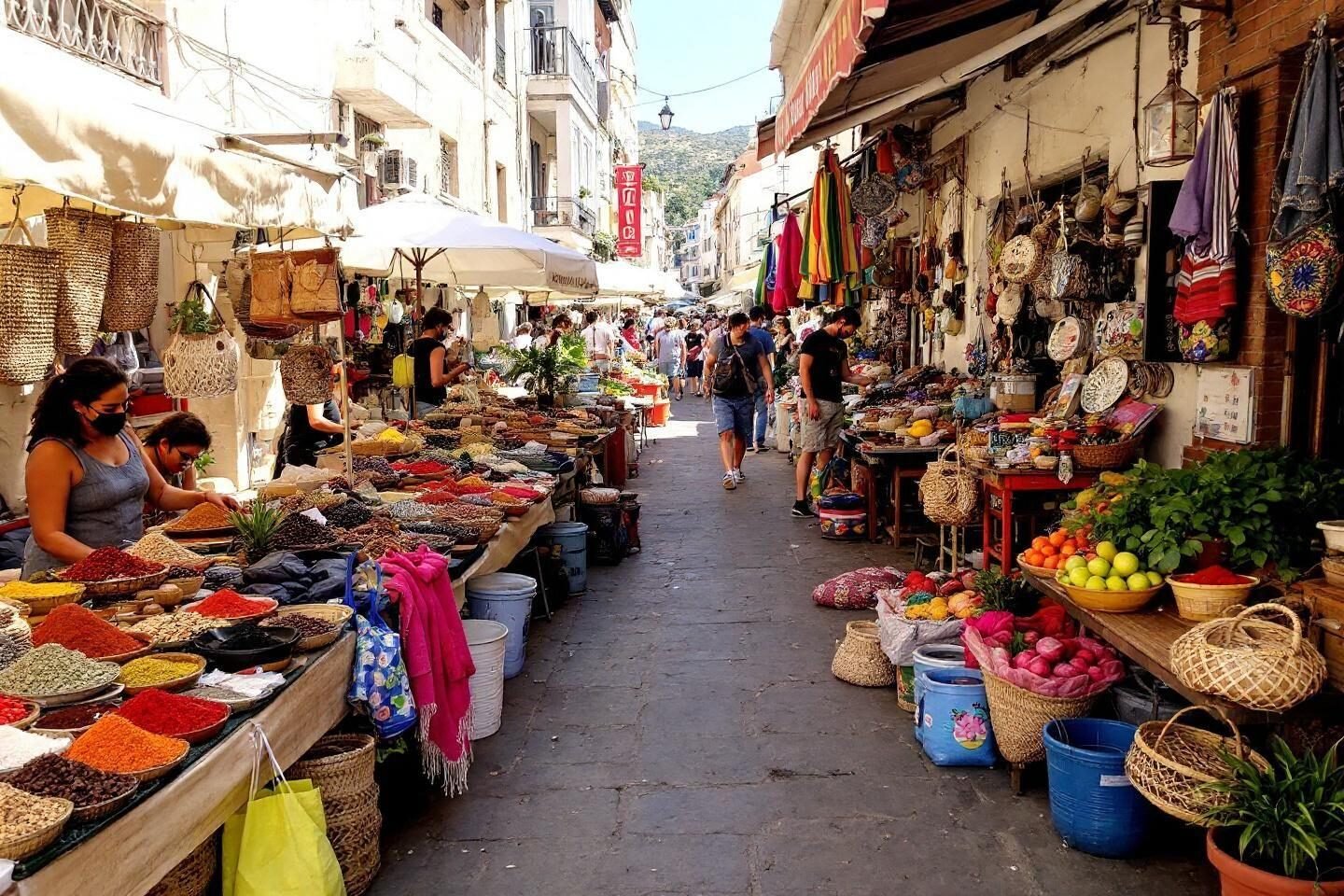
Darajani Bazaar pulses as the main market, where aromatic spices including cloves, cinnamon, cardamom, and nutmeg fill the air with intoxicating fragrances. Fresh fruits cascade from vendor stalls alongside vegetables, dried beans, lentils, and grains in colorful pyramids. Navigating the maze-like passages reveals Zanzibar’s agricultural abundance and culinary foundations. The sensory experience overwhelms pleasantly, with vendors calling out prices and encouraging samples of exotic produce.
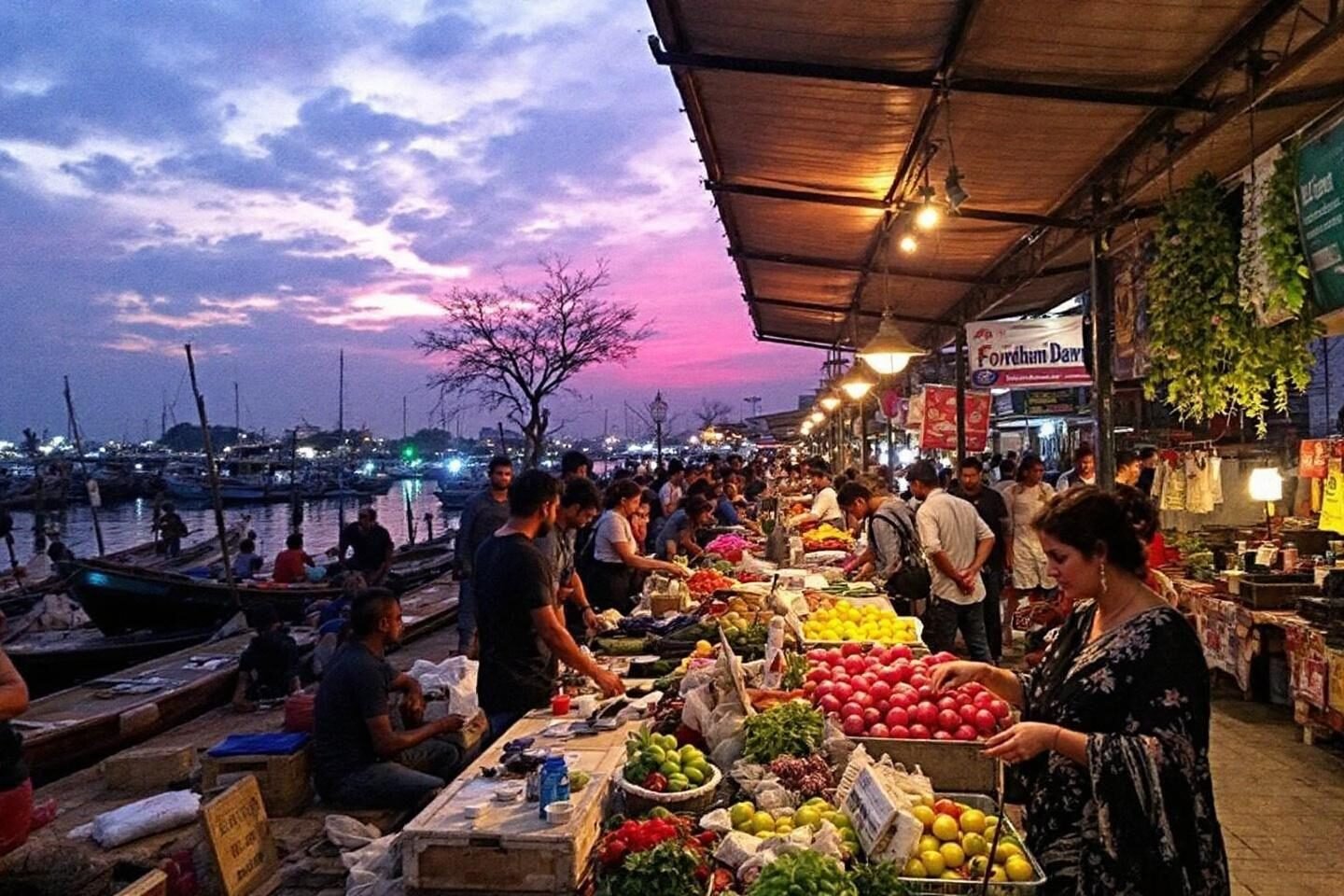
Adjacent to the main market, Darajani Fish Market displays the day’s catch in lively morning scenes. Locals purchase seafood for family meals while tourists photograph the authentic atmosphere. Fishermen negotiate prices while filleting fresh specimens, demonstrating traditional seafood preparation techniques unchanged for generations. Forodhani Gardens provides green space near the waterfront, transforming each evening into the famous night market where street food vendors gather.
The Freddie Mercury Museum occupies the Queen frontman’s former Shangani home, dedicated to his memory and musical legacy. Exhibits explore his childhood years spent in these streets before global fame transformed him into a rock legend. Bargaining at markets follows friendly negotiation customs, where vendors expect interaction rather than immediate acceptance of initial prices. Supporting local vendors contributes directly to family livelihoods while acquiring unique souvenirs unavailable elsewhere. The market exploration offers authentic glimpses into how residents shop, socialize, and maintain cultural traditions amid modern influences.
Stone Town dining and sunset experiences
Coffee stops at Karafuu or Zanzibar Coffee House provide cultural breaks between sightseeing activities. Locally grown Arabica beans deliver rich flavors distinct from mass-produced alternatives. Zanzibar Coffee House’s rooftop terrace hosts traditional coffee ceremonies where roasting processes unfold before guests, explaining how beans transform from green seeds into aromatic brews. The ritualistic preparation connects visitors with agricultural practices sustaining local economies.
Lunch at Secret Garden Restaurant within Emerson Spice Hotel offers elevated dining experiences in tranquil courtyard settings. Menus feature fresh seafood and Swahili-influenced dishes prepared with locally sourced ingredients. The sunset jump spot near the harbor attracts evening crowds watching local youth perform acrobatic dives and flips from the pier. Their athletic displays energize spectators who often tip performers after particularly impressive maneuvers.
Cape Town Fish Market positions diners with perfect views of the jump spot while serving seafood platters showcasing daily catches. Emerson on Hurumzi elevates dining experiences further with live Taarab music performances and panoramic Stone Town views from elevated terraces. The musical genre blends Arabian and African influences, creating soundscapes unique to this cultural crossroads. Forodhani Gardens Night Market remains the premier street food destination where meals cost under $7. Vendors prepare seafood skewers, Zanzibar pizza, urojo soup, and hand-pressed sugarcane juice with ginger and lime. The communal atmosphere brings together locals and tourists, sharing simple pleasures of fresh food, warm evenings, and ocean breezes.
Kendwa beach : sunset paradise
Along the northwest coast, rare static tides create ideal swimming conditions throughout daily cycles. Unlike southeastern shores where tides dramatically alter beach landscapes, Kendwa maintains calm waters perfect for snorkeling and scuba diving regardless of timing. The phenomenon results from offshore reef formations that buffer tidal fluctuations, ensuring consistently swimmable depths for water enthusiasts.
Spectacular sunsets unfold nightly as the sun descends directly into ocean waters, painting skies in orange, pink, and purple gradients. The quieter atmosphere compared to southern beaches appeals to travelers seeking relaxation without constant activity. Multiple beach bars and restaurants serve fresh seafood and tropical cocktails, creating leisurely dining experiences with toes in powder-soft sand. The famous Full Moon Party at Kendwa Rocks attracts dancers and socializers monthly, transforming peaceful shores into vibrant celebration grounds.
Solo travelers find welcoming environments with various activities facilitating connections with fellow adventurers. Transparent kayak rentals allow paddling over coral gardens while observing marine life through clear bottoms, combining exercise with underwater viewing. Zuri Zanzibar provides luxury accommodation with private beach areas where attentive service complements natural beauty. Kendwa Rocks Beach Hotel balances comfortable lodging with direct access to the lively beachfront scene, positioning guests perfectly for both daytime relaxation and evening entertainment at one of Zanzibar’s most celebrated coastal stretches.
Nungwi beach : the vibrant northern hub
At the northern tip, bustling energy characterizes this beach destination where nightlife and beach bars create continuous entertainment. White sand stretches beneath crystal-clear waters that transition from pale turquoise near shore to deep sapphire farther out. All-inclusive resorts including Essque Zalu Zanzibar and Hotel Riu Palace Zanzibar provide comprehensive vacation packages where meals, drinks, and activities bundle into single upfront costs.
The vibrant village atmosphere distinguishes Nungwi from more remote coastal settlements. Traditional wooden dhow boats rest on shores between fishing expeditions, adding authentic charm to tourist-focused developments. Skilled craftsmen maintain centuries-old dhow-building traditions in workshops where hand-carved vessels take shape over months of dedicated labor. Evening beach parties, bonfires, and local music performances at venues like Coccobello keep energy levels high as darkness falls.
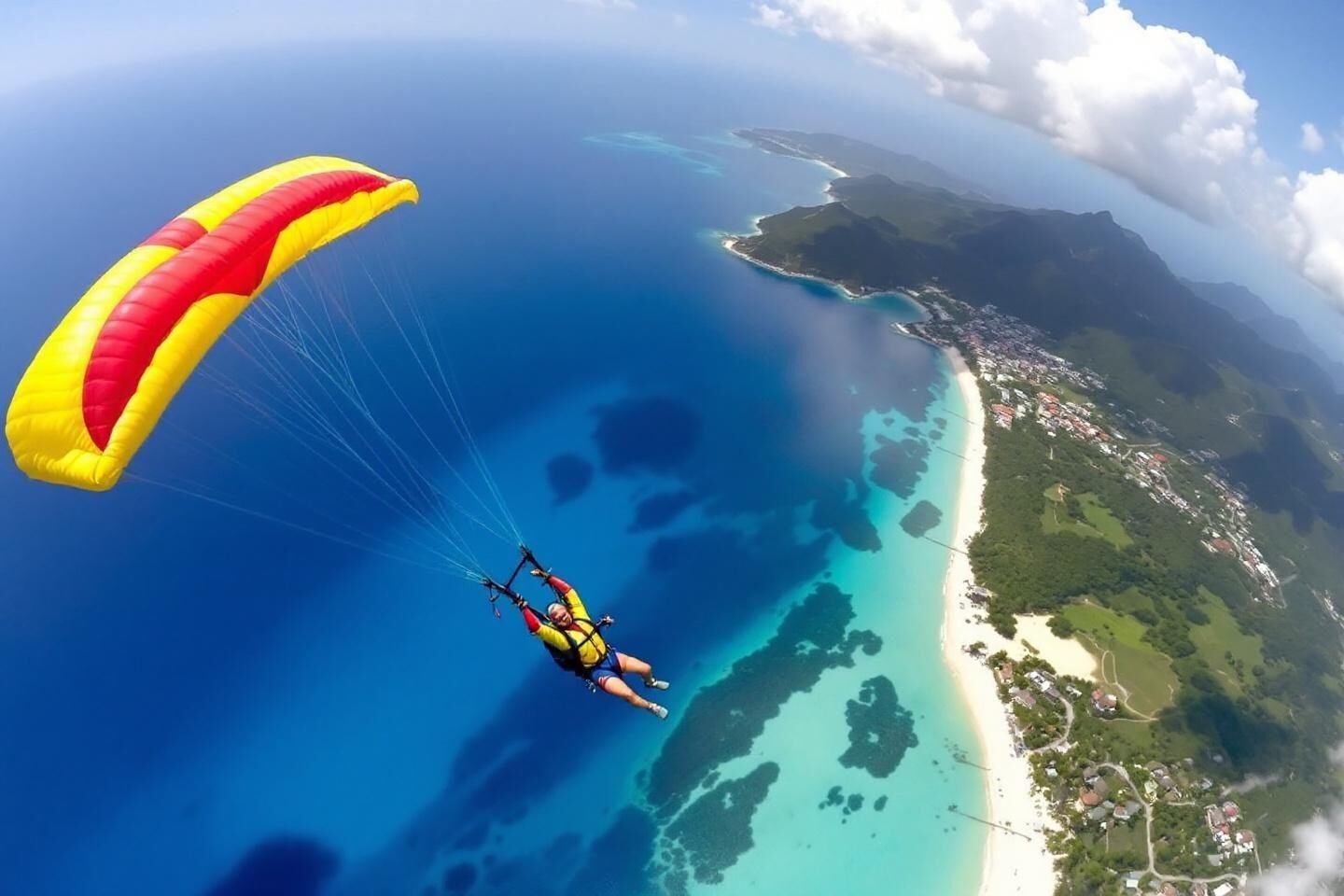
Activities span fishing, swimming, and snorkeling during daylight hours. The beach serves as landing zones for skydiving experiences, where adrenaline seekers touch down on soft sand after freefalling over stunning coastlines. Accommodations range from budget-friendly options like Makofi Guesthouse to upscale properties such as Z Hotel and The Zanzibari. The variety ensures suitable lodging for different budgets while maintaining proximity to Nungwi’s energetic social scene and exceptional natural beauty that draws returning visitors year after year.
East coast beaches : Matemwe’s tranquil charm
Matemwe Beach presents tranquil village life untouched by mass tourism, where palm-fringed coastlines meet turquoise tides in peaceful harmony. The remote location deters day-trippers, preserving authentic rhythms where fishermen launch traditional vessels at dawn and return with afternoon catches. Local children play football on sand while elders repair nets under shade trees, scenes unchanged across generations.
Proximity to Mnemba Atoll positions Matemwe advantageously for marine enthusiasts. The protected conservation area surrounds a tiny private island, offering fantastic snorkeling and diving opportunities among vibrant coral gardens. The quiet atmosphere appeals to travelers seeking genuine relaxation away from commercial beach resort crowds. Few hawkers interrupt beach reading sessions, and restaurants maintain intimate scales where staff remember guest preferences.
Matemwe Rock Villas perch dramatically on coastal rock formations, providing spectacular ocean vistas from private terraces. The Mora Zanzibar delivers contemporary design with private pools where guests float while gazing toward endless horizons. The relaxed local feel allows cultural immersion through casual interactions with residents pursuing traditional livelihoods. Morning walks reveal village life awakening, afternoon hours pass in hammock contemplation, and evenings bring fresh seafood dinners prepared according to Swahili recipes perfected over centuries along these shores.
Paje beach : kitesurfing capital and nightlife
Paje emerges as perfect kitesurfing territory where consistent trade winds combine with shallow warm waters. The conditions attract enthusiasts globally, creating international communities bound by shared passion for harnessing wind power across turquoise expanses. Equipment rental shops and professional instruction schools line the beach, accommodating beginners through advanced practitioners seeking challenging conditions for aerial maneuvers.
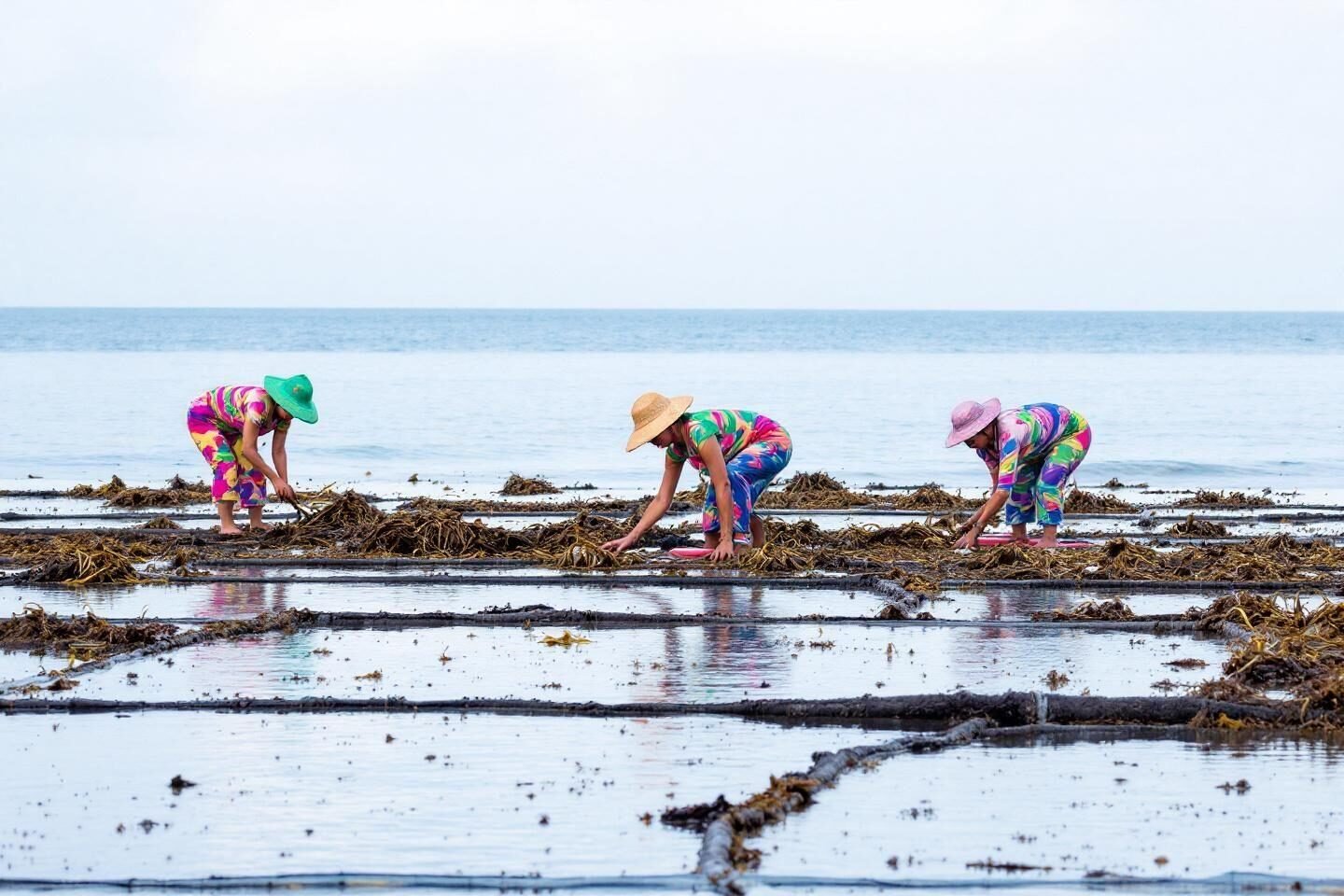
Beyond water sports, the lively village scene pulses with energy, particularly popular among backpackers appreciating affordable accommodation and social atmospheres. Seaweed farming operations create iconic photographic opportunities as women in colorful outfits wade through shallow waters during low tide, collecting crops for export markets supplying cosmetic and food industries globally. The agricultural practice supports family incomes while preserving marine ecosystems through sustainable cultivation methods.
Beach bars including Mr. Kahawa and Kahawa Lofts serve cold beverages and light meals throughout daylight hours. Oxygen restaurant delivers elevated dining experiences as evening approaches, while Coco Blue Night Club transforms nights into dance parties featuring local DJs and international beats. Accommodations like Drifters, Ebb & Flow Apartments, Paje by Night, and Aluna Paje provide budget-friendly bases without sacrificing comfort. The relaxed atmosphere combines water sports adrenaline, vibrant social interactions, and authentic village experiences in balanced proportions appealing to adventurous spirits seeking community alongside natural beauty.
Southern beaches : Jambiani and Michamvi-Pingwe
Jambiani Beach mirrors Paje’s stunning natural attributes while maintaining distinct character through its lively village atmosphere. Seaweed farming dominates low tide periods, creating geometric patterns across exposed sandy flats. Red Monkey Lodge hosts Monday night jam sessions where local musicians and talented visitors collaborate in spontaneous performances. The Blue Oyster Hotel provides comfortable lodging while Maisha Matamu Boutique delivers boho-chic decor attracting design-conscious travelers.
Nearby Kuza Cave offers refreshing swimming opportunities in crystal-clear freshwater surrounded by limestone formations. The natural sinkhole creates magical atmospheres where light filters through jungle canopy above, illuminating turquoise pools below. Michamvi-Pingwe Beach presents tranquil coves with stunning sunset views and quieter ambiance compared to northern destinations. The peaceful environment suits couples and families seeking undisturbed beach time.
The Rock Restaurant dominates as the area’s iconic attraction, perched dramatically on an offshore rock formation accessible by foot during low tide or boat at high tide. While prices exceed budget ranges and food quality receives mixed reviews, the location guarantees unforgettable dining backdrops perfect for special occasions. Boho Social offers views across water toward The Rock while serving excellent food and healthy juices at reasonable rates. Upendo Zanzibar and Kae Funk beach bar provide additional dining and drinking options. Frequent starfish sightings in shallow waters delight children and underwater photographers capturing vibrant marine life in natural habitats.
Hidden beach gems : Pongwe and Bwejuu
Pongwe Beach operates as picturesque beach resort territory maintaining laid-back atmospheres with fewer crowds than famous northern destinations. The Island Pongwe Lodge and Tulia Zanzibar Unique Beach Resort provide quality accommodation where personalized service compensates for smaller scales. Limited commercial development preserves natural beauty, allowing palm trees, white sand, and clear waters to dominate landscapes rather than concrete structures.
Bwejuu Beach delivers secluded shores with quiet beaches and authentic village life. Despite tranquil daytime environments, proximity to Paje ensures access to nightlife for guests desiring occasional social scenes without constant noise. Tsunami Village accommodations and Zanzibar White Sand Luxury Villas and Spa offer varied lodging styles from budget-friendly to premium luxury.
These locations attract travelers seeking peaceful beach experiences away from busier tourist concentrations while maintaining proximity to activities and amenities. Morning hours bring solitary beach walks interrupted only by fishermen launching boats. Afternoons pass reading under palm shade or snorkeling over nearby reefs. Evenings feature fresh seafood dinners at intimate restaurants where chefs accommodate dietary preferences and cooking style requests. The slower pace allows genuine relaxation, proving that sometimes the best experiences unfold in places guidebooks mention briefly rather than feature prominently.
Starfish beach and blue lagoon
This shallow tidal pool along eastern coasts mesmerizes with vibrant turquoise waters creating natural aquariums. Safe coral gardens provide ideal snorkeling conditions, especially appreciated by families with children exploring marine environments for first times. The protected waters remain calm even when offshore conditions turn choppy, ensuring comfortable swimming regardless of weather patterns affecting exposed coastlines.
Giant starfish in red, orange, and purple hues dot sandy bottoms and coral formations, creating living kaleidoscopes. The vibrant colors photograph beautifully in clear shallow waters where sunlight penetrates easily. Accessibility requires boat transportation from Michamvi or Pongwe, limiting daily visitor numbers compared to drive-accessible destinations. The boat journey itself rewards passengers with coastal views and potential dolphin sightings.
- Respectful wildlife viewing requires never picking up or disturbing starfish, which damages their protective coatings
- Timing visits during mid-morning ensures optimal lighting conditions for underwater photography
- Wearing reef-safe sunscreen protects personal skin while preventing chemical damage to fragile ecosystems
- Bringing underwater cameras or waterproof phone cases captures memories of unique marine encounters
- Booking combined tours that include multiple destinations maximizes limited vacation time efficiently
The crystal-clear waters and unique ecosystem create magical experiences emphasizing nature’s beauty. Conservation efforts maintain pristine conditions, requiring visitor cooperation through responsible behavior and supporting local guides who monitor environmental impacts carefully. These measures ensure future generations enjoy identical wonders while current visitors create lasting memories of extraordinary natural aquariums.
Nakupenda sandbank : the whitest sand in Africa
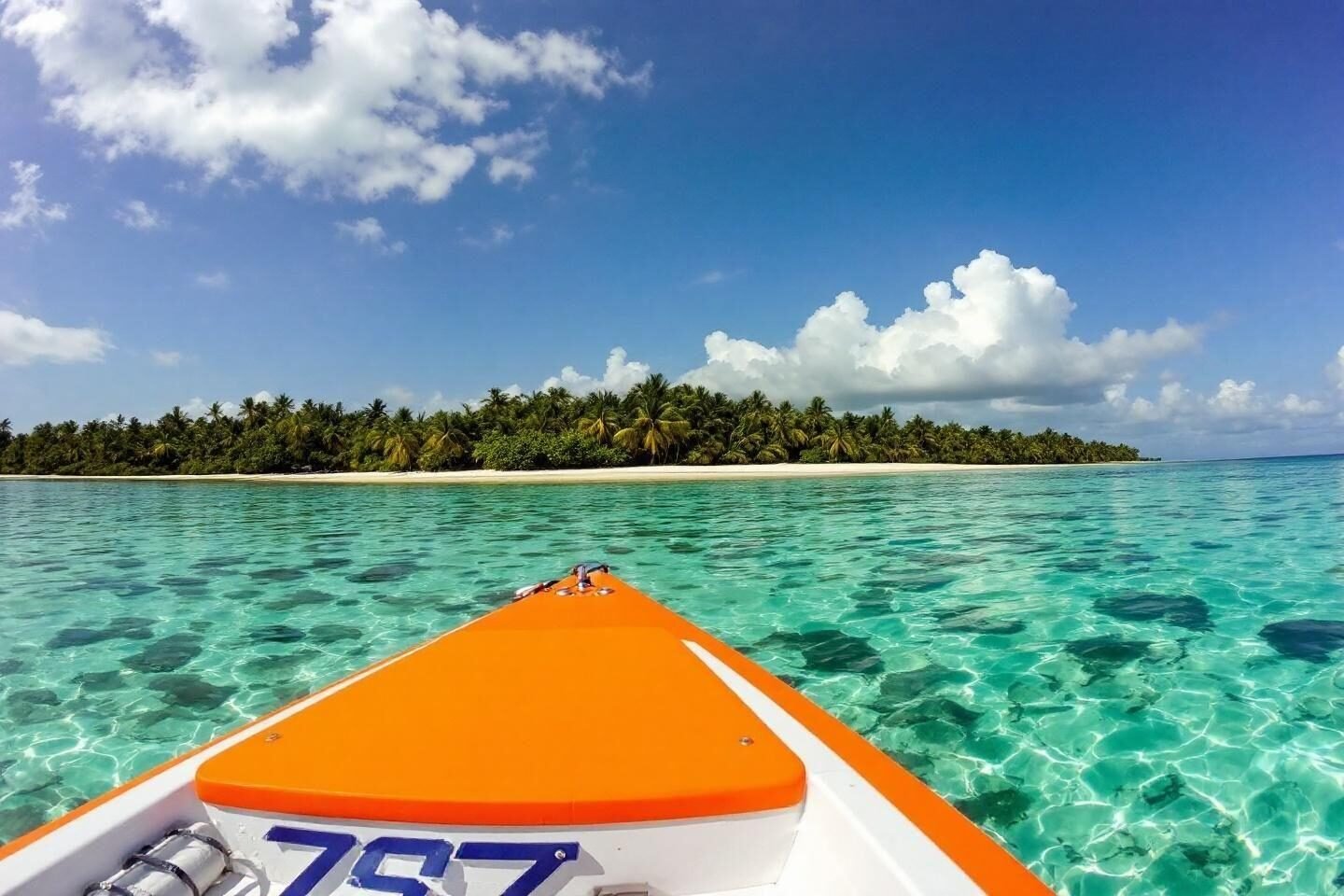
This pure undeveloped stretch of sand emerges surrounded entirely by water, creating surreal landscapes where white beaches meet turquoise expanses in every direction. As one of Africa’s whitest sandbanks, the geological formation results from crushed coral and shell fragments accumulating over millennia. The fifteen-minute boat ride from Stone Town makes this the most accessible premium beach experience near the historic center.
High tide completely resets the sandbank daily, erasing footprints and reshaping contours through natural processes. The phenomenon creates virgin beaches each morning, untouched until first boats arrive with visitors. Swimming and snorkeling conditions excel here, with calm clear waters revealing diverse marine life around submerged coral formations. Colorful tropical fish dart between coral heads while gentle currents facilitate effortless floating.
Tours typically include fresh seafood BBQ lunches featuring calamari, octopus, shrimp, tuna, fries, and local fruits. The all-inclusive nature allows complete relaxation without worrying about additional costs or logistics. Early morning visits beat afternoon crowds, providing peaceful moments of near-solitude on pristine sands. Timing depends entirely on tidal schedules, requiring flexible planning but rewarding coordination efforts with extraordinary experiences. The untouched beauty and unique environment create pinnacle beach experiences, justifying recognition as must-visit destinations for anyone exploring these archipelagos. Standing on pure white sand surrounded by endless turquoise Indian Ocean waters delivers perspectives impossible to replicate elsewhere.
Prison Island : giant tortoises and history
A short boat ride transports visitors to this historic site originally intended as prison facilities for rebellious slaves during the 1860s. The location also functioned as coral mining operations before British First Minister purchase in 1893 for prison complex construction. Ironically, the facility never housed prisoners, instead briefly serving as yellow fever quarantine station when epidemic concerns threatened regional populations.
Giant Aldabra tortoises dominate as primary attractions, some exceeding 100 years old with the eldest approaching 196 years. They represent the sole surviving species among 18 former tortoise species once inhabiting Indian Ocean islands. The colony originated from four tortoises gifted by the British Governor of Seychelles in 1919, with conservation efforts steadily increasing population numbers. The endangered status highlights extinction pressures facing unique island fauna.
Visitors feed and interact gently with these ancient reptiles, observing their deliberate movements and wrinkled prehistoric features. The beautiful white beach provides swimming opportunities between tortoise encounters, while snorkeling reveals crystal-clear waters with coral reefs hosting colorful fish populations. Resort facilities on the island include restaurants and pools for extended visits. Morning arrivals avoid afternoon crowds and intense heat affecting both visitors and animals. Many tours combine Prison Island with Nakupenda Sandbank, departing Stone Town Harbor aboard motorized dhows for comprehensive half-day maritime adventures exploring historical sites and natural wonders within convenient proximity.
Spice farm tours : discovering the spice island
Zanzibar’s reputation as “Spice Island” stems from being a major exporter of cloves, cinnamon, vanilla, pepper, and nutmeg. These crops dominated economic development for centuries, attracting merchants and colonizers seeking control over lucrative spice trades. Ninety-minute to half-day tours wind through lush plantations where guides explain cultivation techniques, traditional uses, and medicinal or cosmetic purposes for over thirty different fruits, plants, spices, and trees.
Kizimbani Spice Farm operates as the largest at 300 hectares, located forty-five minutes from Stone Town. The extensive acreage allows comprehensive exploration of diverse crops growing in natural tropical environments. Tours often commence with market visits purchasing fresh ingredients later incorporated into traditional meal preparations, demonstrating spice applications in authentic culinary contexts. The educational component deepens appreciation for agricultural labor and botanical knowledge sustaining island economies.
Opportunities to purchase spices, herbs, soaps, and essential oils support local communities and farmers directly. These souvenirs carry authentic flavors and scents impossible to replicate through mass-produced alternatives. Alternatively, spice shops in Stone Town marketplace offer convenient purchasing options for travelers with limited touring time. The shops stock farm-fresh products at competitive prices, though without educational farm experiences. Understanding cultivation processes transforms simple purchases into meaningful connections with agricultural traditions, explaining why these tours consistently receive enthusiastic recommendations from visitors seeking cultural depth alongside beautiful scenery and exotic sensory experiences unique to this renowned spice-producing archipelago.
Jozani forest : meeting the red colobus monkeys
Zanzibar’s largest conservation area and only national park spans approximately 50 square kilometers across the island’s middle section. Dense indigenous forests host the endangered Zanzibar Red Colobus monkey, found exclusively on Unguja and Pemba islands. Approximately 6,000 individuals survive, concentrated in southern regions. Their endangered status on IUCN Red Lists results from habitat loss, hunting for bushmeat, and illegal pet trade threatening already fragile populations.
The primates display striking reddish-brown fur and relatively tolerant attitudes toward human presence, allowing close photographic opportunities impossible with most wild monkey species. Sykes’ monkeys, bush babies, and various bird species share forest habitats, creating diverse wildlife viewing opportunities. Guided forest walks provide expert identification of fauna while explaining ecosystem complexities and conservation challenges facing protected areas.
- Indigenous plant species including unique ferns adapted to island microclimates
- Tropical flowers displaying brilliant colors attracting specialized pollinators
- Medicinal plants used traditionally by local healers for generations
- Mangrove boardwalks traversing delicate root systems without causing environmental damage
Large mangrove areas feature wooden walkways allowing exploration without disturbing fragile ecosystems. The peaceful educational experience illuminates mangrove ecosystem importance for coastal protection, fish nurseries, and carbon sequestration. Tour proceeds directly fund conservation programs protecting endangered primates through habitat preservation and anti-poaching patrols. Supporting these initiatives through tourism helps ensure these remarkable monkeys continue inhabiting forests for future generations to appreciate and study.
Zanzibar butterfly center and wildlife conservation
Located in Pete village near Jozani Forest, this conservation and educational center houses over 50 butterfly species including the rare endangered Zanzibar swallowtail. The specialized facility demonstrates all life cycle stages from eggs through caterpillars to chrysalis formations and adult emergence. Butterfly gardens recreate natural habitats with appropriate host plants supporting complete reproductive cycles.
Founded in 1997 by British entomologist Dr. Jonathan Timberlake, the center promotes butterfly conservation and environmental education. The mission extends beyond simple display purposes toward community engagement and habitat protection initiatives. Visits easily combine with Jozani Forest trips, maximizing limited vacation time while supporting complementary conservation efforts. Educational programs teach local children about biodiversity importance and ecosystem interdependencies.
Nearby Zala Park houses reptiles including pythons and dik-diks, expanding wildlife encounter opportunities. The compact facilities allow thorough exploration within single morning or afternoon visits. Photography enthusiasts capture stunning images of colorful butterflies feeding on nectar flowers or drying newly emerged wings in dappled sunlight. The conservation importance grows annually as habitat destruction threatens butterfly populations globally, making such protective facilities increasingly critical for species survival and public awareness regarding environmental stewardship responsibilities.
Safari blue : full-day sailing adventure
This comprehensive excursion to Menai Bay Conservation Area begins with morning hotel pickups followed by scenic drives to Fumba Peninsula. Boarding traditional dhow boats initiates maritime journeys where triangular sails catch trade winds, propelling vessels across sapphire waters. Dolphin sightings frequently occur during transit, with captains adjusting routes toward surfacing pods when conditions permit closer observations.
Snorkeling sessions explore diverse coral reefs teeming with colorful fish and marine life. Guides identify species and explain ecosystem roles while ensuring safe practices around delicate coral formations. Visiting nearby white sandbanks allows strolling, sunbathing, and relaxation on pristine isolated beaches accessible only by boat. The exclusive access creates desert island fantasies come alive temporarily.
Swahili seafood barbecue lunches unfold on secluded Kwale Island, where chefs prepare freshly caught slipper lobster, tuna, calamari, and jumbo prawns alongside chicken, chickpeas, red lentil dahl, rice, sesame and coconut bread. Fresh fruits, sweets, coffee, and Amarula liqueur complete abundant spreads. Souvenir stalls operate near the stunning Baobab tree dominating island landscapes. The all-inclusive nature covers meals and activities, with cocktails and wine available at additional costs. Consistently ranked among favorite Zanzibar experiences, Safari Blue delivers extraordinary value through comprehensive itineraries combining sailing traditions, marine exploration, island relaxation, and culinary excellence in single unforgettable packages appreciated by diverse traveler demographics.
Dolphin watching : ethical marine encounters
Various dolphin species including bottlenose and humpback dolphins inhabit waters surrounding the archipelago. Early morning tours maximize encounter probabilities when dolphins actively feed before daily heat peaks. Swimming and snorkeling alongside these intelligent marine mammals creates magical moments, though touching remains strictly prohibited to protect both animals and humans from potential stress or injury.
Kizimkazi fishing village on southern coasts operates as the most popular and responsible location, with government protections regulating tourist interactions. Alternative locations include Menai Bay Conservation Area and reefs around Mnemba Island, though Kizimkazi offers most consistent sightings. Local fishermen and boat captains leverage generations of knowledge regarding feeding and resting areas, navigating toward likely dolphin locations based on tides, currents, and seasonal patterns.
Regulations theoretically limit five boats per dolphin sighting, though enforcement varies depending on patrol presence. Rough seas challenge sightings and swimming safety, requiring flexible attitudes when conditions deteriorate unexpectedly. Maintaining respectful distances prioritizes dolphin welfare over tourist satisfaction, reflecting ethical wildlife tourism principles. Responsible operators educate guests about conservation needs and appropriate behaviors, creating meaningful encounters that inspire environmental stewardship rather than exploitative interactions. Supporting such businesses encourages industry-wide improvements while protecting vulnerable marine mammal populations from harassment through expanding sustainable tourism practices benefiting communities and ecosystems equally.
Snorkeling and diving : exploring underwater worlds
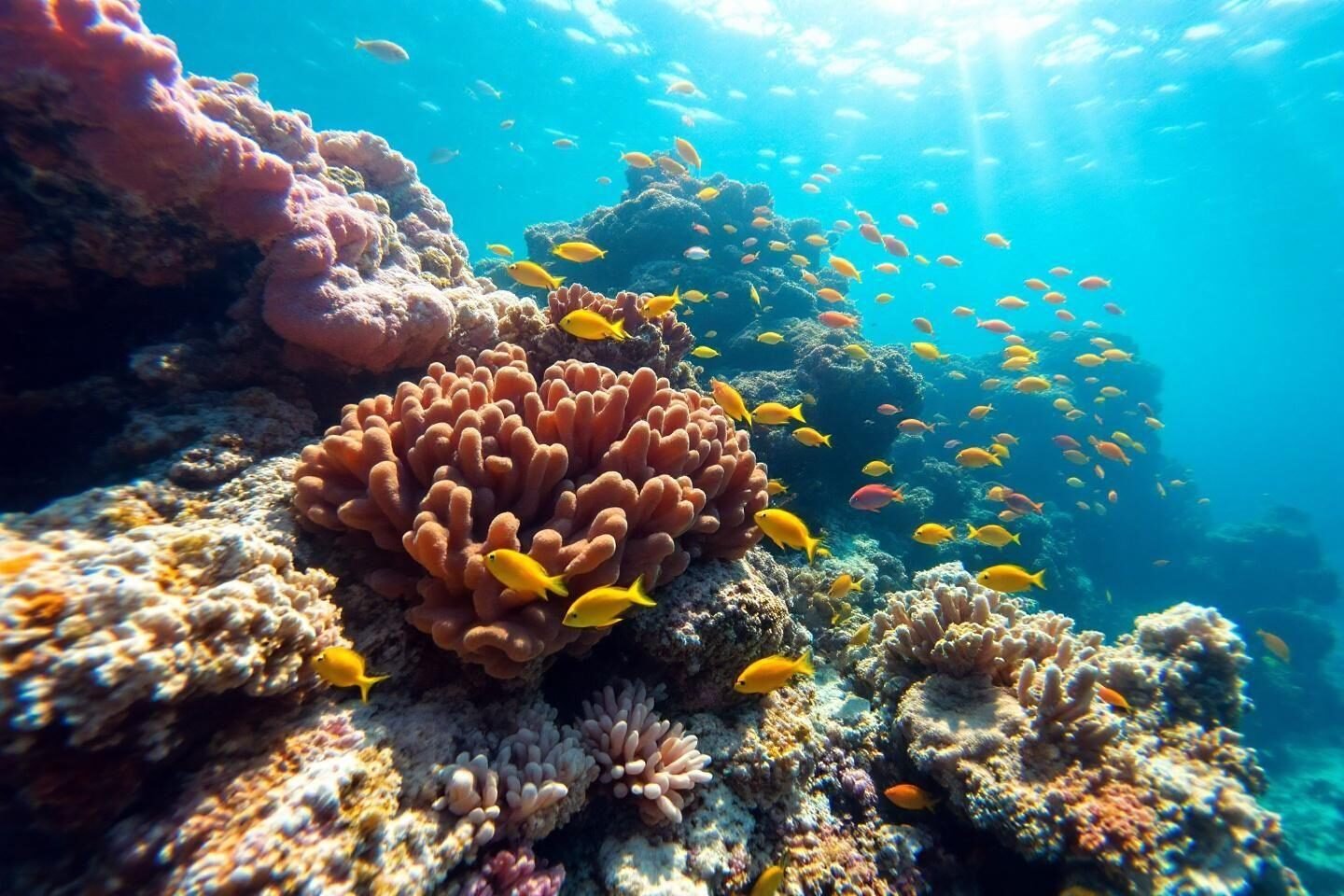
Coral reefs surrounding the archipelago teem with tropical fish including angelfish, parrotfish, octopus, and endangered sea turtles. Whale sharks, the world’s largest fish, appear during migration seasons, offering extraordinary encounters with gentle giants. Relatively warm water temperatures year-round ensure comfortable extended submersions without restrictive wetsuits limiting movement and visibility.
Chumbe Island Coral Park functions as a protected marine area with vibrant reefs and managed visitor numbers preventing overcrowding damage. Forest reserves host coconut crabs and marine turtles nesting on protected beaches. Five-star sustainable lodges accommodate overnight guests committed to conservation-focused luxury experiences. Bawe Island provides secluded paradise settings with exceptional marine biodiversity around submerged coral formations.
- Mnemba Atoll remains the most famous conservation area surrounding tiny Mnemba Island
- Tumbatu Island offers best dive sites for certification courses with moderate depths and current protection
- Leven Bankand Big Wall challenge experienced divers with deeper descents and stronger currents
- Nungwi and Kendwa beaches provide excellent shore-accessible snorkeling conditions
Over 30 dive sites encircle Zanzibar, accommodating beginners through technical divers. PADI scuba diving courses spanning 1-3 days introduce newcomers to underwater exploration through structured instruction and supervised dives. Certification opens access to global diving destinations while building confidence and skills. Equipment rental facilities operate at major beach resorts, eliminating luggage burdens for travelers without personal gear. The underwater worlds rival terrestrial attractions, revealing hidden dimensions where coral gardens create living architecture and fish schools move in synchronized choreography through crystalline waters.
Zanzibar caves : natural limestone wonders
Three main caves featuring limestone formations and crystal-clear turquoise freshwater offer refreshing escapes from coastal heat. Swahili Cave delivers lively atmospheres with live music and bar areas serving drinks and food, though visual impact falls below other cave experiences. The social environment appeals to visitors prioritizing entertainment over natural spectacle.
Maalum Cave stuns with pristine environments and tranquil atmospheres perfect for contemplative swimming. Fresh juices at the bar and clean well-maintained facilities justify higher prices compared to alternatives. Many visitors rank this as highly recommended despite premium costs, valuing quality and serenity. Kuza Cave in Jambiani village occupies a 50-meter round sinkhole surrounded by small jungle, accessible via bridge and staircase descending into the earth.
The crystal-clear pool creates magical swimming experiences where limestone walls rise dramatically overhead. Local community feelings pervade as residents play drums, welcoming visitors to join percussion sessions. Profits flow directly to community development projects, ensuring tourism benefits extend beyond individual businesses. Adjacent Congo Man Cave and Restaurant provide dining options, while surrounding forests host Red Colobus, Vervet, and Sykes Monkeys observable during careful jungle walks. Morning visits ensure quieter experiences and better natural lighting filtering through canopy openings, illuminating turquoise waters in ethereal glows perfect for photography and peaceful contemplation.
Traditional dhow sunset cruises
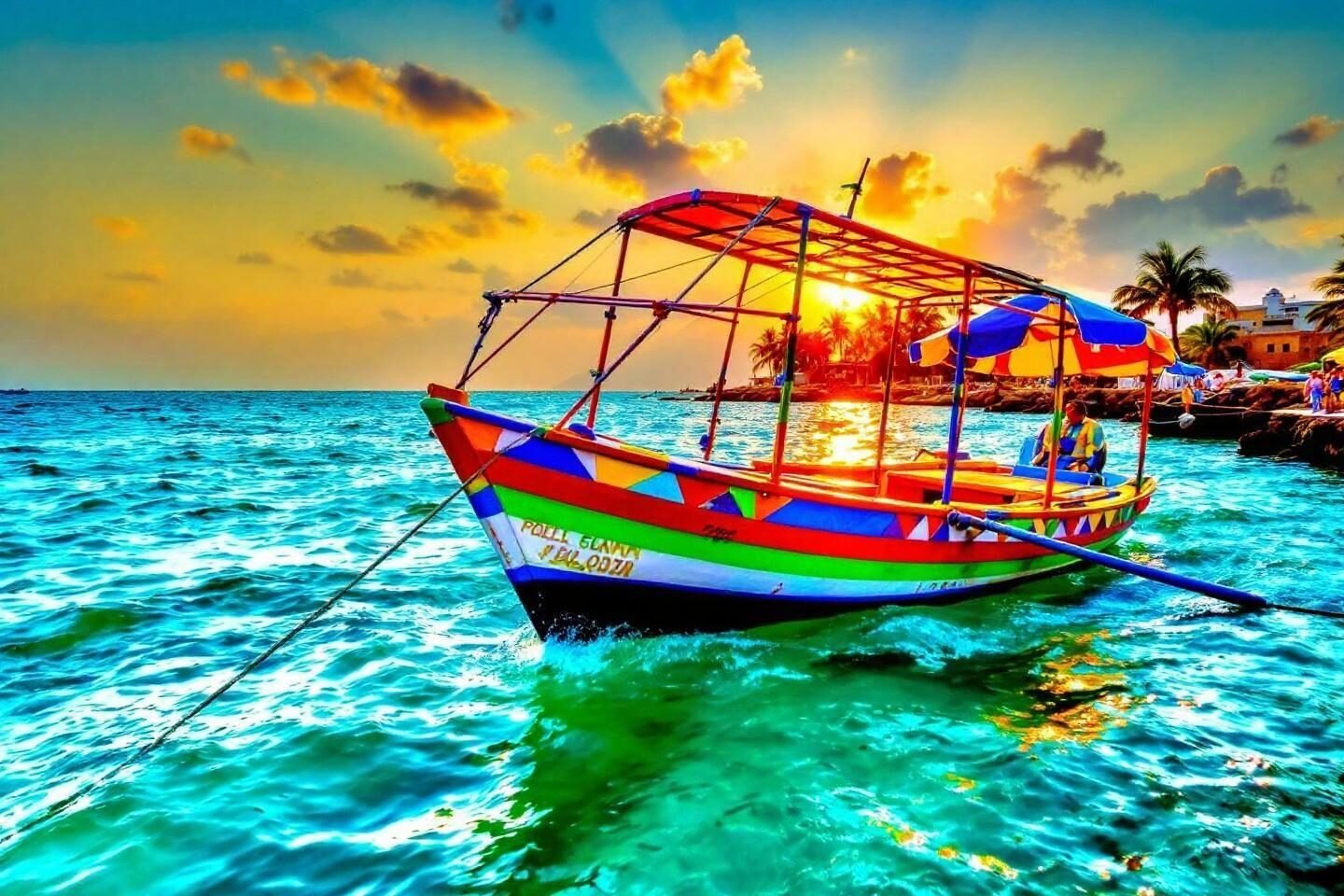
Traditional Arabic sailing boats with distinctive triangular sails represent maritime heritage spanning centuries. Engines propel vessels approximately 1km offshore before crews unfurl sails, allowing wind power to take over. Floating peacefully across Indian Ocean swells as the sun approaches horizons creates romantic atmospheres beloved by couples and photography enthusiasts.
Sunset cruises dominate as most popular and romantic options, with drinks typically included in package prices. Availability throughout the archipelago ensures convenient booking regardless of accommodation locations. Affordability makes these experiences accessible for budget-conscious travelers seeking memorable moments without premium price tags. The gentle rocking motion soothes as day transitions into night.
Bringing lightweight layers prevents discomfort after sunset when temperatures drop noticeably over open water. The memorable cultural and maritime experience connects participants with seafaring traditions that shaped island history and culture. Watching skilled crews manage sails and navigate by celestial markers demonstrates knowledge passed through generations. Traditional music sometimes accompanies cruises, with crew members singing Swahili songs while passengers sip cocktails and witness spectacular color displays painting skies and waters in coordinating palettes of orange, pink, and deepening blue.
Water sports and adventure activities
Kitesurfing dominates at Paje, Dongwe, and Jambiani where shallow waters and consistent trade winds create ideal conditions. Equipment rental shops and professional instruction schools accommodate all skill levels, from nervous beginners to advanced practitioners perfecting aerial rotations. The international kitesurfing community creates welcoming social environments where shared passion transcends cultural and linguistic differences.
Additional water sports include parasailing for bird’s-eye coastal views, SUPping with Mangrove SUP Tours in Chwaka Bay organized by Surf Zanzibar through ecological habitats, and jet skiing for speed enthusiasts. Transparent and glass-bottom kayaking available in Nungwi-Kendwa area costs approximately $10-15 per hour from beachfront hotels, combining exercise with marine life observation through clear kayak bottoms.
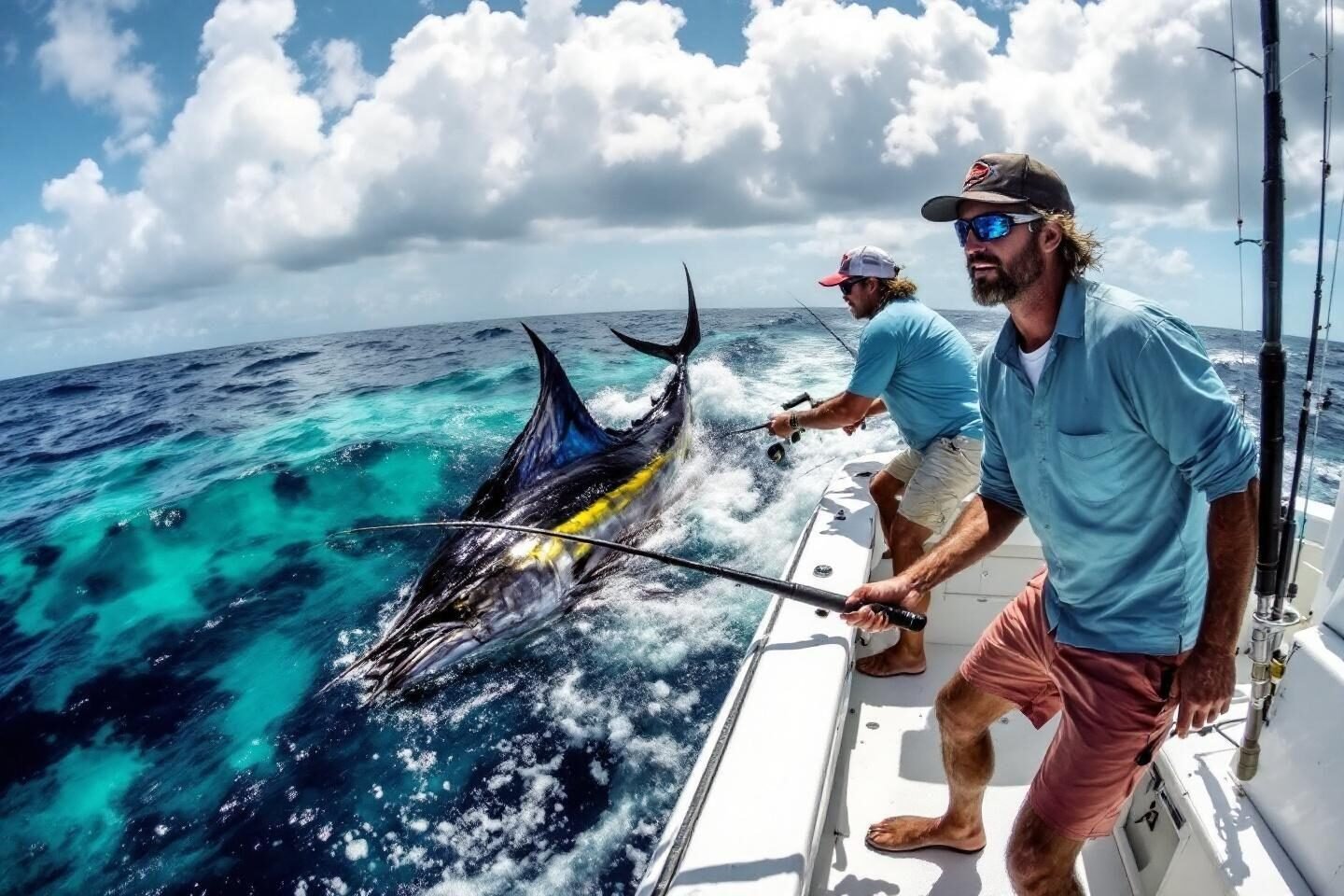
- Deep sea fishing targets marlin, tuna, and sailfish in offshore waters
- Surfing opportunities emerge during specific seasonal swells along eastern exposures
- Skydiving tandem experiences deliver adrenaline rushes with 2-3 hour commitments
- Panoramic views reveal turquoise waters, pristine beaches, and lush greenery from altitude
- Soft sandy landings at Nungwi Beach conclude exhilarating freefall descents
Skydiving costs remain more affordable compared to many global locations, making bucket-list experiences financially accessible. The unique combination of tropical beauty and aerial perspectives creates once-in-lifetime memories. Professional instructors ensure safety throughout experiences, allowing participants to focus on enjoying rather than worrying during these extraordinary adventure activities that complement beach relaxation with heart-pumping excitement.
Quadbiking through the countryside
Guided tours lasting 3-4 hours explore countryside, small villages, and open farmland away from coastal tourist concentrations. Routes wind through forests where endemic species thrive, baobab alleys where ancient trees dwarf vehicles, and famous caves offering midpoint rest stops. The off-beaten-path experiences reveal rural life rhythms and agricultural landscapes supporting island populations.
Outstanding views reward navigation over challenging terrain, with three main stops providing photo opportunities and cultural interactions. Guides encourage photography throughout journeys, knowing these images become treasured vacation memories. The vehicles prove easy to operate, with safety records generally strong when participants follow instructions and wear protective gear appropriately.
Wearing closed shoes and sunglasses proves essential due to dusty paths kicking up fine particles. The practical considerations prevent discomfort that might otherwise diminish enjoyment. Unique perspectives of rural Zanzibar away from beaches and established tourist areas illuminate how most residents actually live, work, and maintain traditions. Children wave enthusiastically as quad convoys pass through villages, while elders observe from shaded porches, witnessing how tourism increasingly penetrates previously isolated interior regions, bringing economic opportunities alongside cultural changes requiring careful community navigation.
Zanzibari cuisine and food experiences
Zanzibari cuisine blends African, Arab, Indian, and European influences into distinctive flavors found nowhere else. Generous use of locally grown spices including cloves, cinnamon, nutmeg, cardamom, garlic, and chilies creates aromatic complexity in every dish. Street food plays important roles, especially at markets where vendors prepare traditional recipes passed through family generations.
Zanzibar pizza represents unique local invention, a sweet or savory stuffed pancake filled with mincemeat and vegetables or chocolate for dessert versions. Urojo soup combines spicy chutney, mango, chilies, and garlic served with potato chunks and bhajis in complex flavor profiles. Samosas, kebabs, and biryani reflect Indian trading influences, while fresh seafood including lobster, prawns, octopus, and snapper appears grilled or in coconut curries.
Ugali functions as staple starch, a thick porridge-like dish from ground corn served alongside curries, stews, vegetables, and fish. Fresh tropical fruits including pineapple, passionfruit, and mango provide natural sweetness, while mandazi spiced donuts accompany morning coffee. Sugarcane juice and spiced tea refresh throughout hot days. Cooking classes include market visits, spice farm tours, purchasing fresh ingredients, and preparing local dishes with chef guidance, transforming passive eating into active cultural education.
Street food tours through Stone Town reveal hidden gems where locals eat daily, avoiding tourist traps serving mediocre overpriced meals. Traditional food tours with knowledgeable local guides provide context about dish origins, preparation techniques, and cultural significance. These immersive culinary experiences deepen travel satisfaction beyond superficial tourism, creating authentic connections with island culture through its most accessible and delicious medium—food that nourishes body and spirit simultaneously.
Nungwi village cultural tour
Located on Unguja’s northern tip, this thriving fishing village serves as the epicenter of Zanzibari dhow building. Centuries-old traditions persist as craftsmen hand-build vessels using techniques unchanged across generations. Workshop visits reveal how skilled artisans select wood, carve planks, and assemble boats without modern power tools, relying instead on inherited knowledge and manual precision.
Cultural tours facilitate interaction with locals, providing insights into traditions and ways of life sustaining communities. Guides explain fishing practices, boat construction processes, and social structures organizing village activities. The educational component transforms simple village visits into meaningful cultural exchanges where mutual respect and curiosity replace transactional tourist relationships.
Beyond workshops, the beautiful beach attracts casual visitors seeking swimming and relaxation. The combination of cultural depth and natural beauty distinguishes Nungwi from purely resort-focused destinations. Witnessing dhow construction connects present experiences with historical maritime traditions that facilitated spice trade, cultural exchanges, and economic development. The living heritage demonstrates how traditional knowledge adapts and persists despite modernization pressures, maintaining cultural identity while participating in global tourism economies that increasingly value authentic experiences over manufactured attractions.
Jambiani village and seaweed center
This female-led village gains fame through seaweed farming operations supporting numerous families. The Seaweed Center, operating as Mwani Zanzibar, promotes sustainable farming while empowering local communities through education, research, and economic development initiatives. The hub functions as gathering point where farmers share knowledge, coordinate marketing, and develop value-added products beyond raw seaweed exports.
Learning traditional farming techniques directly from Mwani Zanzibar Mamas provides authentic insights into agricultural practices sustaining livelihoods. Visitors try seaweed weaving, understanding how crops transform into commercial products for international markets. Supporting the center contributes directly to farmers’ economic security, ensuring fair compensation for labor-intensive cultivation requiring constant tending through tidal cycles.
The center doesn’t operate year-round, requiring advance confirmation before planning visits. Timing trips during low tide enables observation of women collecting seaweed in iconic colorful outfits photographed extensively throughout tourism promotions. The palm-tree-lined beach provides stunning backdrops for these agricultural scenes. Alternatively, visiting Jambiani Beach during low tide reveals farming operations without formal tours. The sustainable agricultural practice deserves recognition and support, representing how communities adapt to economic opportunities while maintaining environmental stewardship and traditional knowledge in balance benefiting current and future generations.
Cultural immersion and traditional experiences
Traditional healers called ‘manhwa’ or ‘babu’ in Swahili culture employ ancient healing techniques using plants, local herbs, and rituals passed through generations. These practitioners maintain knowledge systems predating modern medicine, addressing physical ailments and spiritual imbalances through holistic approaches. Included in many island tours or arranged privately with local guides, healer visits provide eye-opening cultural experiences.
Insights into Zanzibari traditions deepen appreciation for indigenous knowledge and alternative healing philosophies. Approaching with open minds and respectful attitudes ensures meaningful exchanges rather than skeptical tourism. Dressing appropriately demonstrates cultural sensitivity toward practices holding deep significance for practitioners and communities. The experiences illuminate worldviews differing markedly from Western medical paradigms.
Learning Swahili enhances interactions, with locals appreciating efforts regardless of proficiency levels. Common greetings like ‘Jambo’ and ‘Hakuna Matata’ facilitate friendly exchanges. Customary greetings signal respect in cultures valuing social courtesies highly. Swahili lessons for beginners operate through language schools and private tutors, accelerating communication abilities and cultural understanding. The linguistic efforts transform tourist experiences into richer cultural immersions where genuine connections replace superficial transactions, creating memories rooted in human relationships rather than merely consumed attractions.
Exploring other islands in the archipelago
Pemba Island earns its “Green Island” nickname through lush vegetation covering hilly terrain. Excellent diving and snorkeling sites surround the island, with coral reefs and mangroves supporting diverse marine ecosystems. The less-developed tourism infrastructure preserves authentic atmospheres while limiting accommodation options compared to Unguja. Mnemba Island offers ultimate exclusivity through a single private resort, delivering luxurious beach experiences for guests seeking complete seclusion.
Mafia Island hosts whale sharks October through March when these gentle giants feed on seasonal plankton blooms. Access requires ferry to Dar es Salaam then south to Nyamisati port, with daily connections to Mafia Island. The complex logistics deter casual visitors, reducing crowds and preserving peaceful atmospheres. Chumbe Island functions as protected marine park with conservation priorities limiting visitor numbers to sustainable levels.
Tumbatu Island remains remote and rugged, the least busy option for adventurous travelers. Elder permission requirement for visiting the island itself reflects traditional authority structures governing access to sacred and residential areas. The Shiraz Ruins date from 12th century, left by Shirazi people of Persian and Iranian descent. Makutani ruins southeast of the island provide archaeological insights into historical settlements. These smaller islands complement Unguja experiences, offering alternative perspectives on archipelago diversity and specialized attractions appealing to particular interests beyond mainstream beach resort tourism.
Practical travel tips and essential information
Determining appropriate duration of stay depends on travel priorities. Three to five days suffice for beach breaks and relaxation, allowing decompression from work stress. Seven to ten days enable deeper cultural exploration plus beach time, with full exploration of Unguja and smaller islands. Longer stays rarely prove necessary given limited non-beach activities outside Stone Town, though extended relaxation certainly has merit for thoroughly exhausted travelers.
Climate considerations influence activity planning. Dry season proves ideal for beach breaks and exploring, while June through October offers cooler temperatures benefiting safari combinations during Great Migration periods. December through March attracts Northern Hemisphere winter escapees seeking warmth. Rainy season delivers lower prices and fewer crowds, with rain rarely disrupting entire days despite increased frequency.
Cultural etiquette requires dressing modestly, especially at religious sites and out of respect for local Muslim culture. Removing shoes when entering homes shows proper manners, as does asking permission before photographing people. Greeting people with “Jambo” or “Hakuna Matata” demonstrates cultural awareness and friendliness. These small gestures significantly impact local perceptions and interaction quality.
Budget considerations favor markets for most affordable eating, with meals under $7. Budget travelers enjoy hotel bars without booking rooms, while street food provides authentic cheap options. Tuk-tuks and dala-dalas cost less than taxis, and scooter rentals undercut car prices. Bargaining follows friendly negotiation customs where vendors expect interaction. Visiting during rainy season significantly reduces costs, making luxury experiences accessible to moderate budgets through strategic timing.
Many activities involve tours due to the island’s spread-out nature. Tours simplify logistics compared to independent car rental. GetYourGuide and Viator apps facilitate booking with discount codes occasionally available. Hotels organize customized tours matching specific interests. Licensed and reputable transportation services ensure safety and reliability. Good travel insurance remains essential for medical emergencies and cancellations, with policies covering regional healthcare costs that can quickly escalate.
Yellow fever vaccination receives recommendations as potential entry requirements, though enforcement varies. Mosquitoes prove less severe on islands than mainland, though precautions remain advisable. Insect repellent prevents bites, while avoiding blue, black, or bright colors reduces tsetse fly attraction. Sunscreen application prevents burns under intense tropical sun, and hydration maintains health in heat and humidity.
Booking The Rock Restaurant weeks in advance secures tables at this extremely popular limited-capacity venue. Visiting Prison Island early morning beats crowds and heat affecting comfort and photography. Nakupenda Sandbank visits benefit from early arrivals for privacy. Cave explorations should occur during mornings for quieter experiences and superior natural lighting. Checking tide schedules proves essential for beach and sandbank activities depending on water levels.
Bringing cash for markets and street vendors avoids transaction difficulties, as electronic payment infrastructure remains limited outside upscale establishments. Full-day tours typically include lunch, though cocktails and wine often cost extra. Purchasing spices and crafts supports local communities directly while acquiring authentic souvenirs. Respecting wildlife means never picking up starfish, maintaining distance from dolphins, and showing consideration at tortoise sanctuaries. Allowing time for slow island pace and laid-back atmosphere prevents frustration from expectations misaligned with local rhythms.
Where to stay in Zanzibar : accommodation guide
Accommodation options span budget through ultra-luxury across different locations and styles. Boutique hotels like Mvuvi Boutique Hotel Zanzibar in Kiwengwa deliver charming beachfront settings with rustic-chic bungalows and laid-back vibes. Aluna Paje provides relaxed modern guesthouse atmosphere with clean minimalist rooms near beaches at budget-friendly rates. Upendo House Hotel in Stone Town blends local charm with modern design in stylish intimate settings.
The Zanzibari in Nungwi offers quiet boutique escape with lush gardens and coastal views just outside bustling Nungwi center. Safira Blu Luxury Resort and Villas presents stylish upscale retreat with private villas, ocean views, and elegant high-end ambiance. Maru Maru Hotel provides budget-friendly Stone Town accommodation with rooftop terrace panoramic views in the historic heart.
All-inclusive resorts simplify budgeting through comprehensive packages. The Mora Zanzibar in Matemwe delivers sleek stylish beachfront with contemporary design and private pools. TUI Blue Bahari Zanzibar in Kiwengwa operates large resort with multiple dining options and Swahili architecture. Hotel Riu Palace Zanzibar caters to adults-only upscale preferences with spacious suites and infinity pools at Nungwi.
The Palms Zanzibar in Bwejuu provides intimate all-villa resort with personalized service and private beachfronts for honeymooners seeking total privacy. Meliá Zanzibar in Kiwengwa polishes all-inclusive formula with private beaches and world-class spas. Zuri Zanzibar at Kendwa Beach delivers incredible views with private beach areas and outdoor swimming pools steps from snorkeling spots.
Staying in different beach areas maximizes variety, with Stone Town for culture and history, north coast for nightlife and activities, east coast for tranquility and kitesurfing, and south coast for authentic village experiences. The accommodation diversity ensures suitable options regardless of budget constraints or luxury preferences, with quality standards generally high across price ranges reflecting competitive tourism markets prioritizing guest satisfaction and positive reviews driving future bookings in increasingly digital travel planning ecosystems.
The Review
Zanzibar: Swimming with Dolphins Day Trip
Dive into magic! Experience an unforgettable Zanzibar dolphin tour. Swim in turquoise waters, explore vibrant reefs, and discover the island's marine wonders. Read our expert guide!
PROS
- A Professional Local Guide
- Historical & Cultural Insight
- Travel/Explore with Ease
- Total Security, Absolute Calm
CONS
- Guide Gratuities
- Vibrant Surroundings
Zanzibar: Swimming with Dolphins Day Trip DEALS
We collect information from many stores for best price available
 Zanzibar: Swimming with Dolphins Day Trip